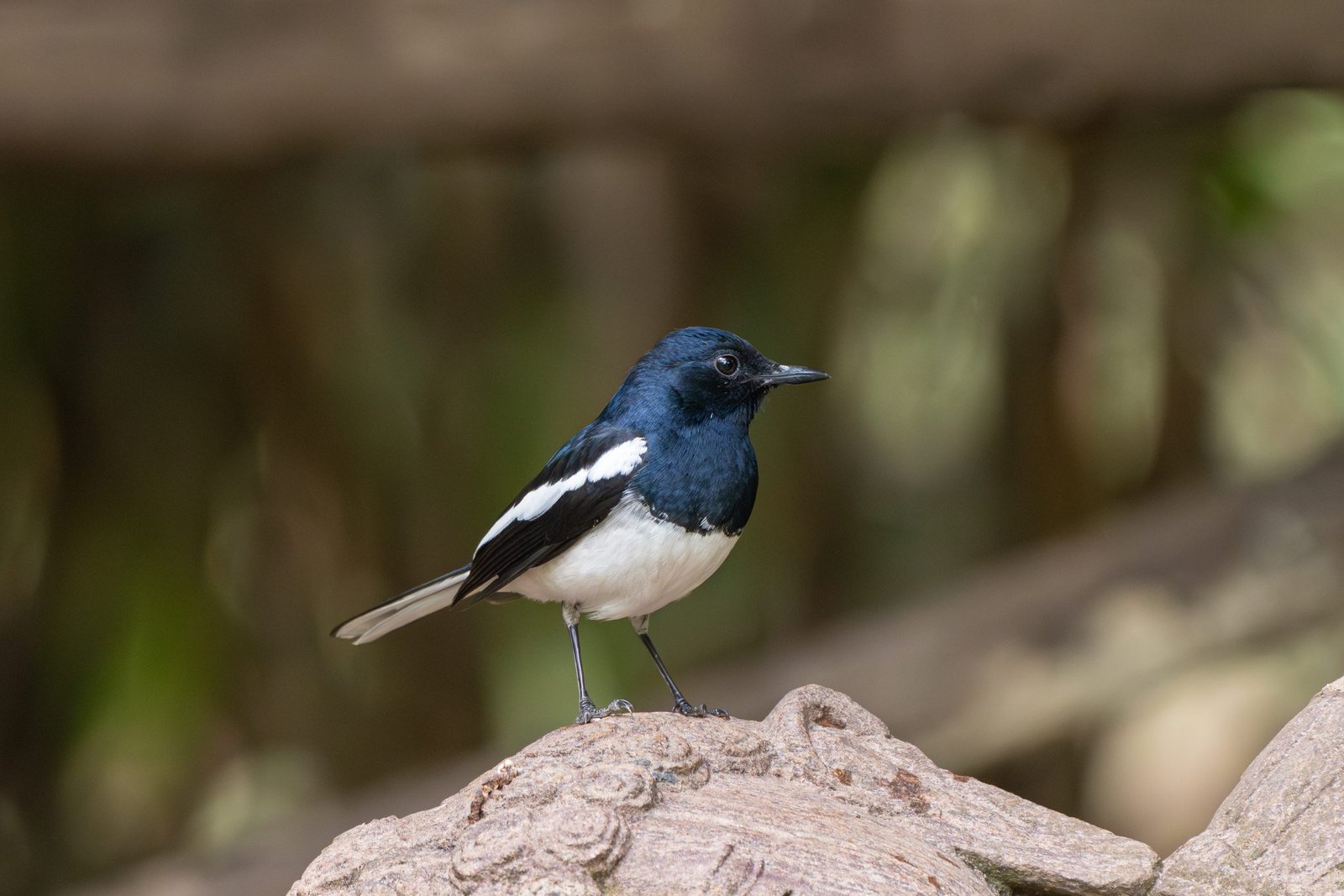
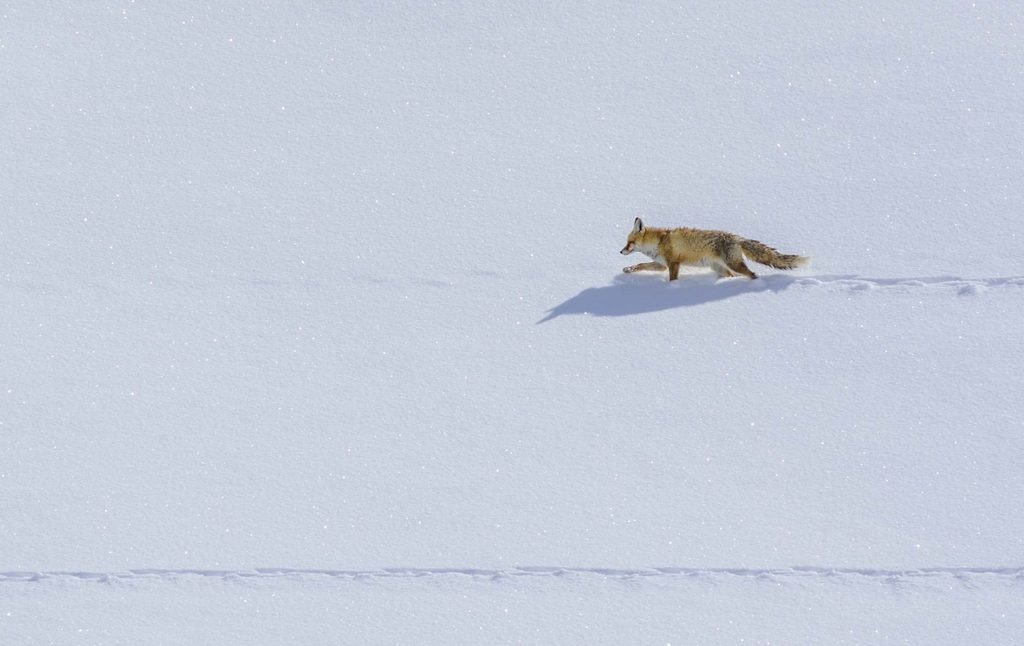
Wildlife does not communicate only through what we see—it also reveals its presence through sound. From bird calls and frog choruses to the movement of mammals, insects, flowing water, wind and even the sounds of human activity, the natural environment is filled with acoustic information. Acoustics has therefore become an important tool for understanding, monitoring and protecting wildlife.
Bioacoustics focuses on sounds produced by living organisms, while ecoacoustics examines the broader acoustic environment or soundscape of an ecosystem. By recording these sounds over long periods, researchers can study species presence, population changes, breeding activity, migration, behaviour and the overall health of an ecosystem without constantly disturbing the animals.
One of the greatest advantages of acoustic monitoring is that it can operate continuously. Autonomous recording devices can be placed in forests, wetlands, grasslands and other habitats and left to record for days, weeks or even months. These recordings can later be analysed using spectrograms, acoustic indices and artificial intelligence to identify patterns and species.
Acoustics can also help detect changes in biodiversity. A healthy ecosystem generally contains a complex mixture of biological sounds. When habitats are degraded, species disappear or human disturbance increases, the acoustic character of the environment can change. Comparing recordings from different seasons, years or locations can therefore provide valuable evidence of ecological change.
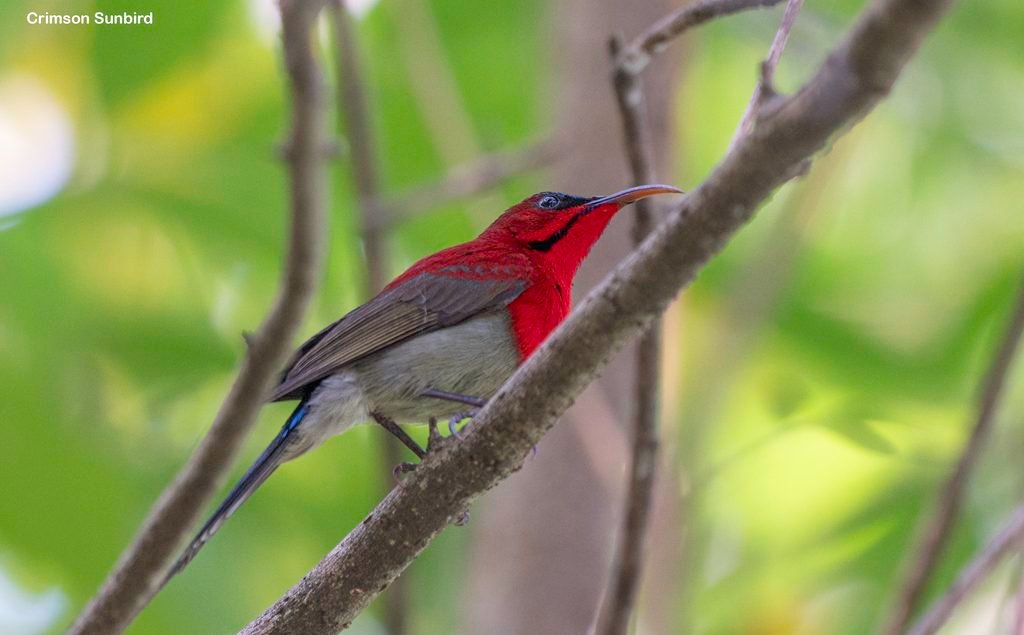
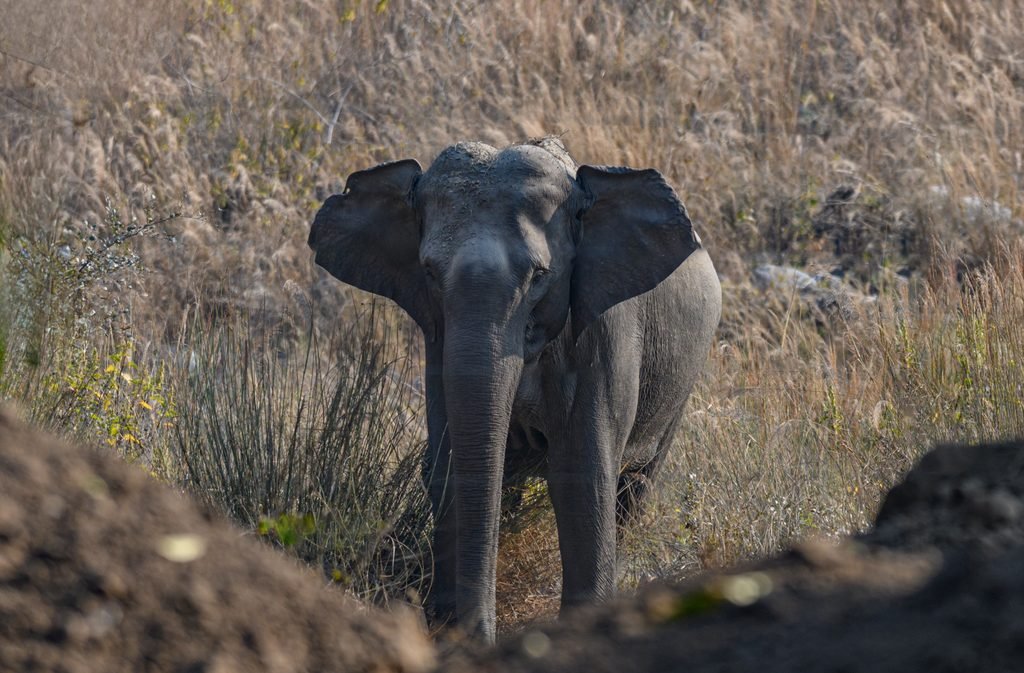
Sound is also critical for understanding the impact of noise pollution. Roads, construction, tourism, industries and other human activities can interfere with animal communication. Birds may change their calls, mammals may avoid noisy areas, and species that depend heavily on sound for finding mates, food or territory can be particularly affected.
Acoustic monitoring is especially valuable for rare, nocturnal, secretive or difficult-to-observe species. Instead of physically searching for animals, researchers can listen for their presence. This makes acoustics a relatively non-invasive method of wildlife monitoring.
The future of wildlife conservation will increasingly combine field recording, bioacoustics, ecoacoustics, machine learning and biodiversity science. Sound can provide a continuous ecological record—a kind of acoustic fingerprint of a landscape.
Ultimately, protecting wildlife also means protecting the acoustic environment in which it lives. Forests need trees, wetlands need water, and wildlife needs the freedom to communicate, listen and respond to the sounds of its environment. By learning to listen to nature, we can better understand it—and by understanding it, we can work more effectively to protect it.

Leave a Reply