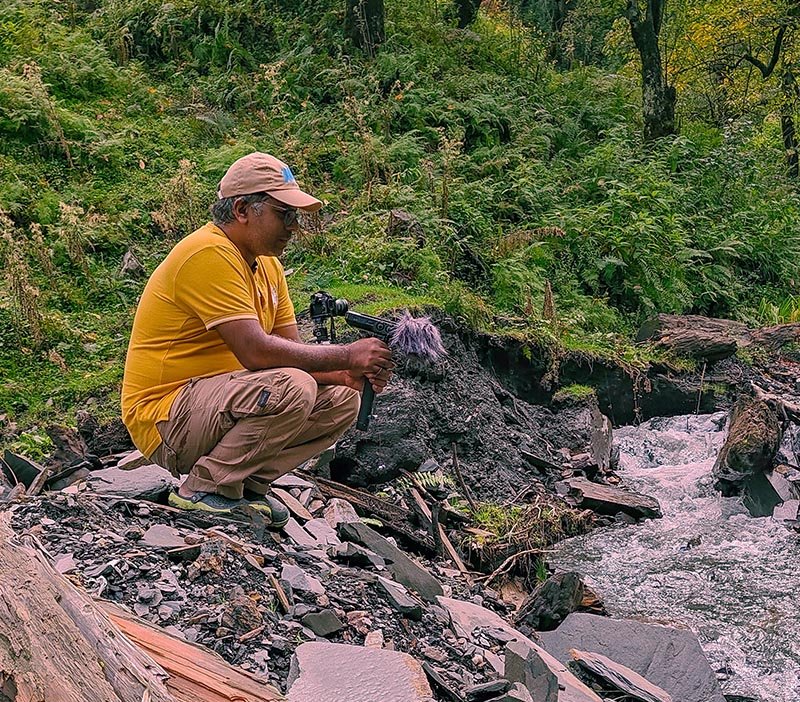
Every natural environment has its own acoustic identity. A forest, wetland, grassland or mountain is not only a visual landscape—it is also a living soundscape. The sounds we hear can broadly be divided into three categories: biophony, geophony and anthrophony.
Biophony — The Sounds of Life
Biophony refers to sounds produced by living organisms. Bird calls, frog choruses, insect songs, mammal calls, fish sounds and even the subtle movements of animals through vegetation are all part of biophony.
A healthy ecosystem often has a rich and diverse biophonic signature. By recording and analysing these sounds, researchers can study species presence, seasonal activity, breeding behaviour and changes in biodiversity. Bioacoustic monitoring can therefore become an important tool for wildlife conservation.
Geophony — The Voice of the Earth
Geophony is the sound produced by natural physical processes of the Earth. Rain falling on leaves, rivers and waterfalls, ocean waves, wind moving through forests, thunder, avalanches, cracking ice and even geological activity can contribute to geophony.
Geophonic sounds form the acoustic background against which biological activity occurs. Changes in these sounds can also provide information about environmental conditions—for example, rainfall intensity, river flow, wind patterns or changing weather.
Anthrophony — The Sound of Humans
Anthrophony refers to sounds generated by humans and human activities. It includes conversations, vehicles, aircraft, construction, machinery, industries, music and other forms of human-generated noise.
Anthrophony is not always negative. Human cultural activities, traditional music and community sounds are also important components of the human acoustic environment. However, excessive anthropogenic noise can interfere with natural soundscapes and affect wildlife communication, behaviour, movement and reproduction.
Understanding the Complete Soundscape
Together, biophony, geophony and anthrophony provide a powerful way of understanding an environment.
A field recording can capture birds singing, insects calling, wind moving through trees and a distant road—all within the same acoustic space. By studying the relationship between these three components, scientists and conservationists can monitor ecosystem health, identify disturbances and understand how landscapes are changing.
In an increasingly noisy world, listening to nature is becoming more than an artistic experience. It is a method of observing the environment. Every ecosystem has a story to tell through sound; we only need to learn how to listen.
Staff picks
-
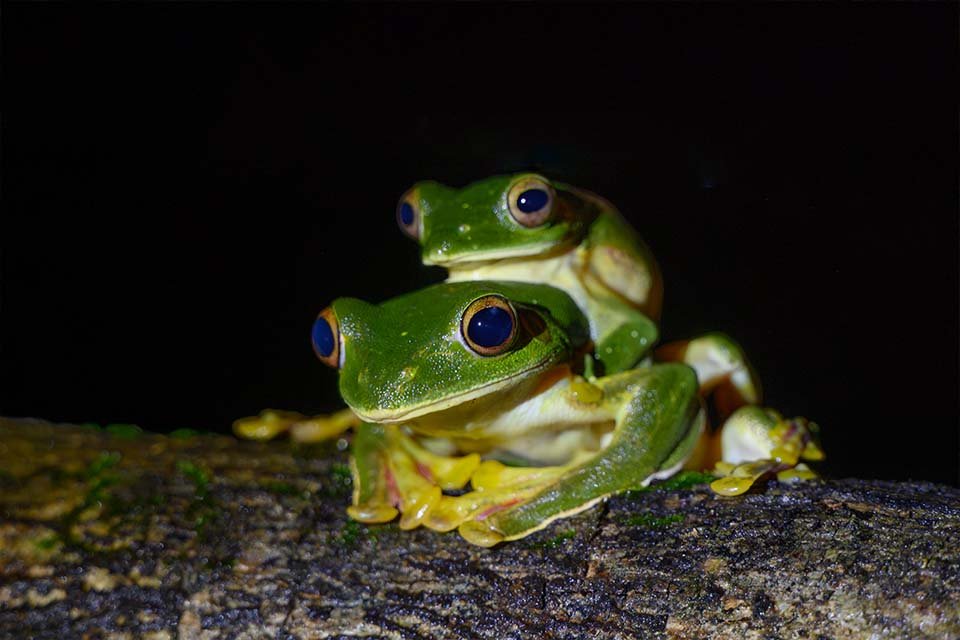
Amphibian Sound Libraries
$0.00 -
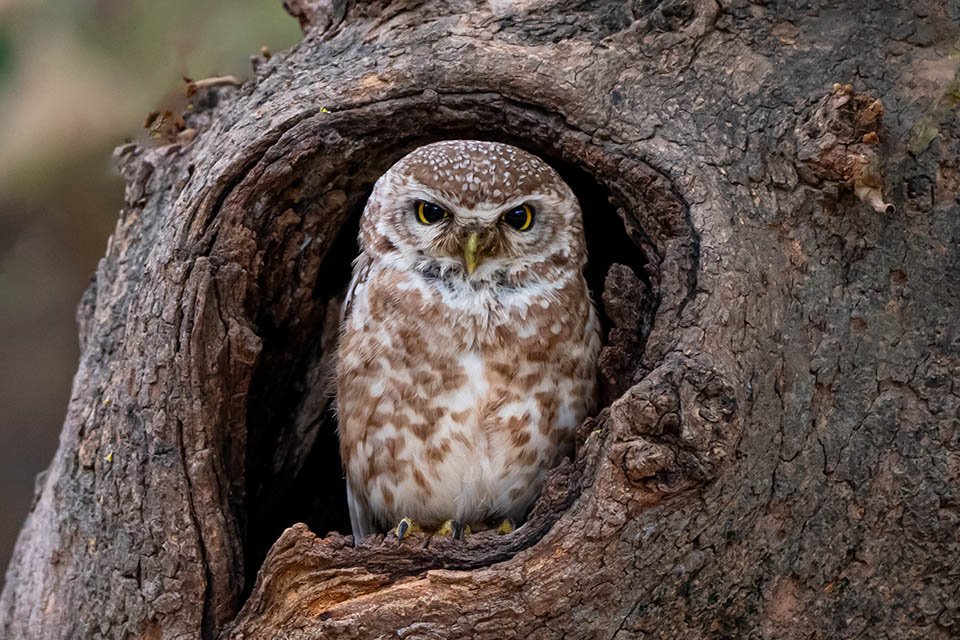
Birds Soundscapes – Indian Birds
$0.00 -
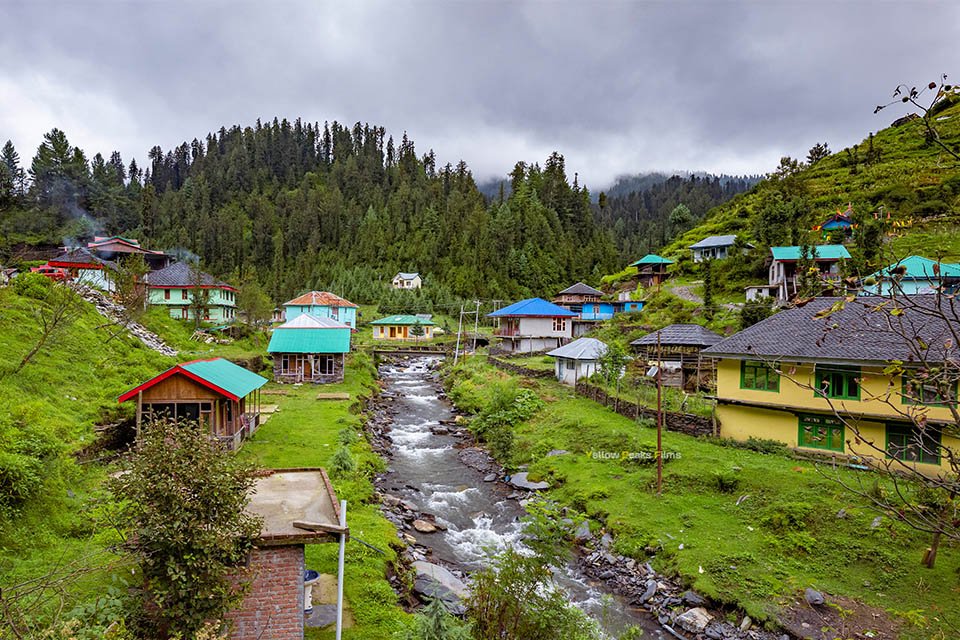
Corbett Tiger Reserve
$0.00 -

Forest night sounds
$0.00
Leave a Reply