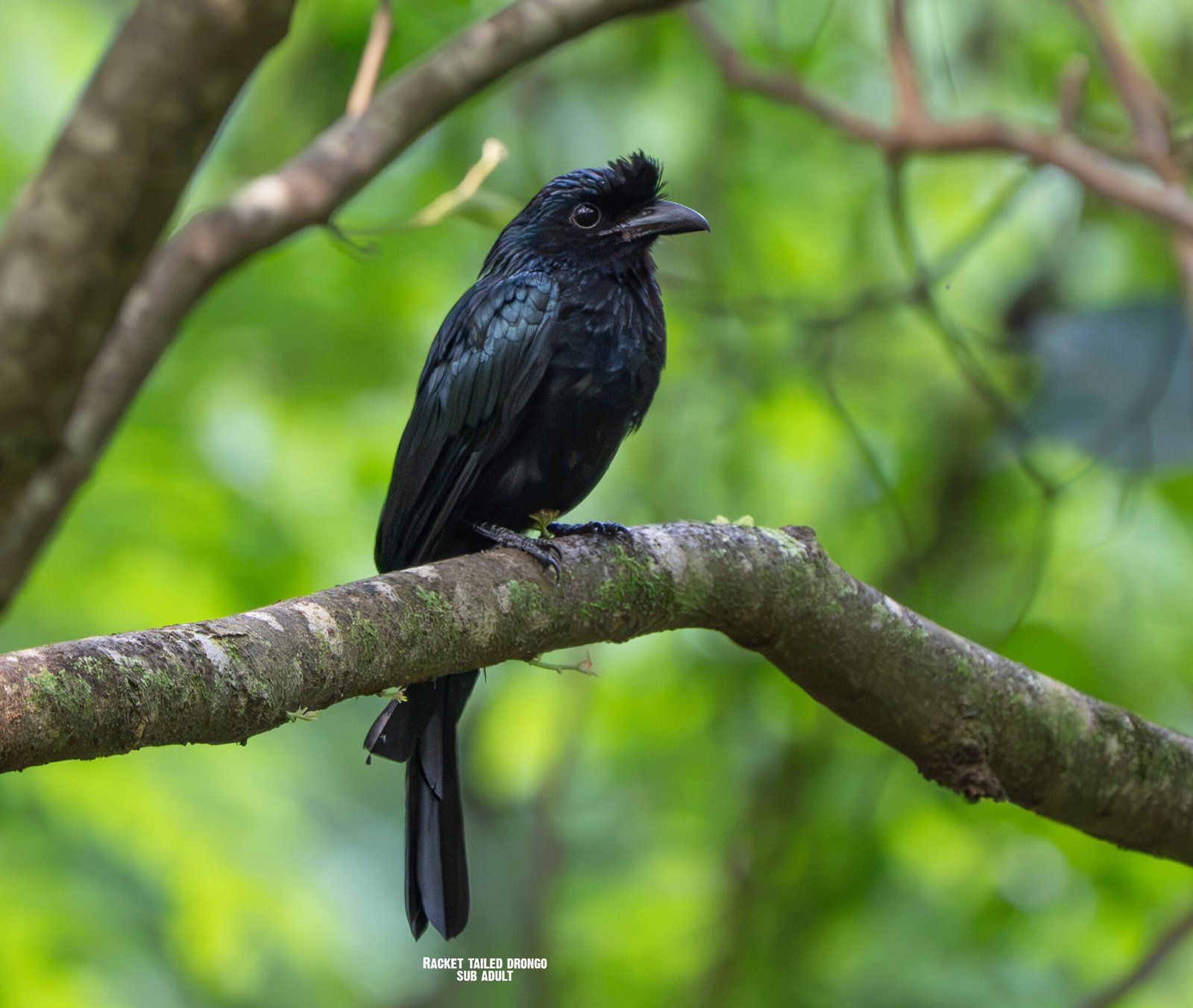
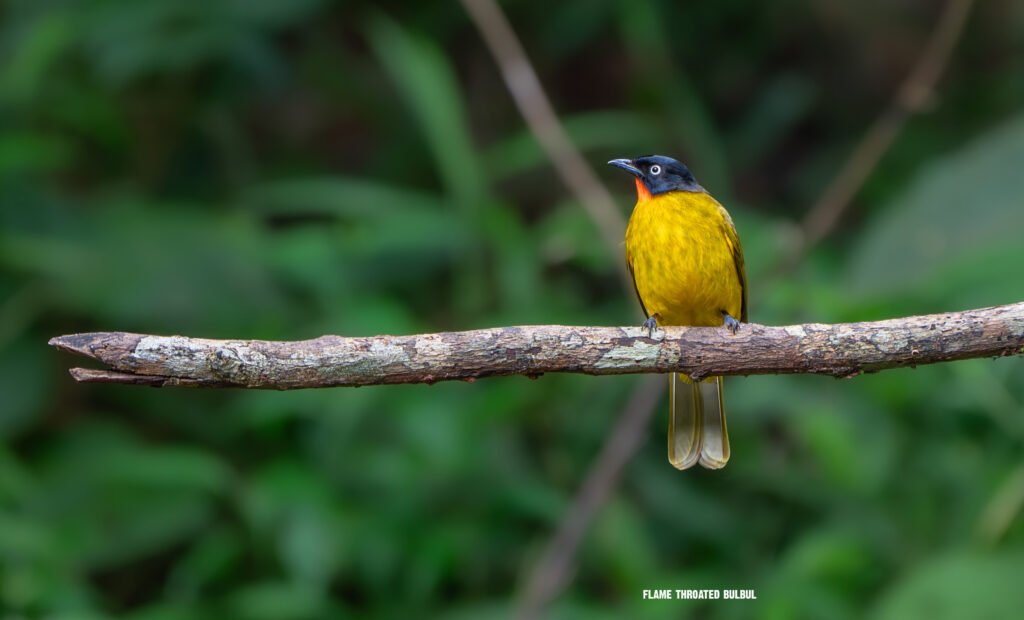
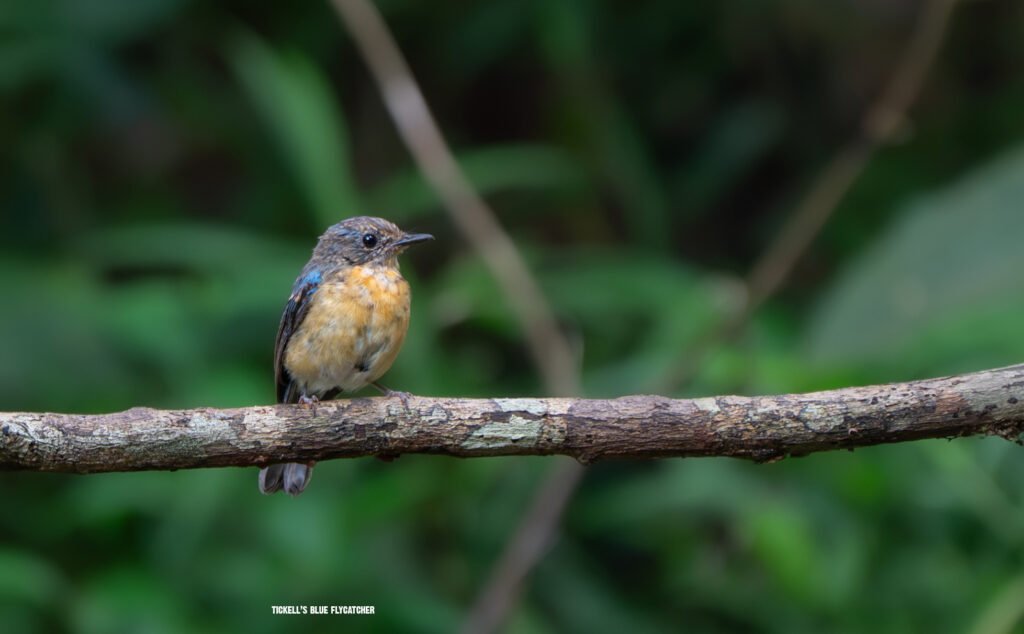
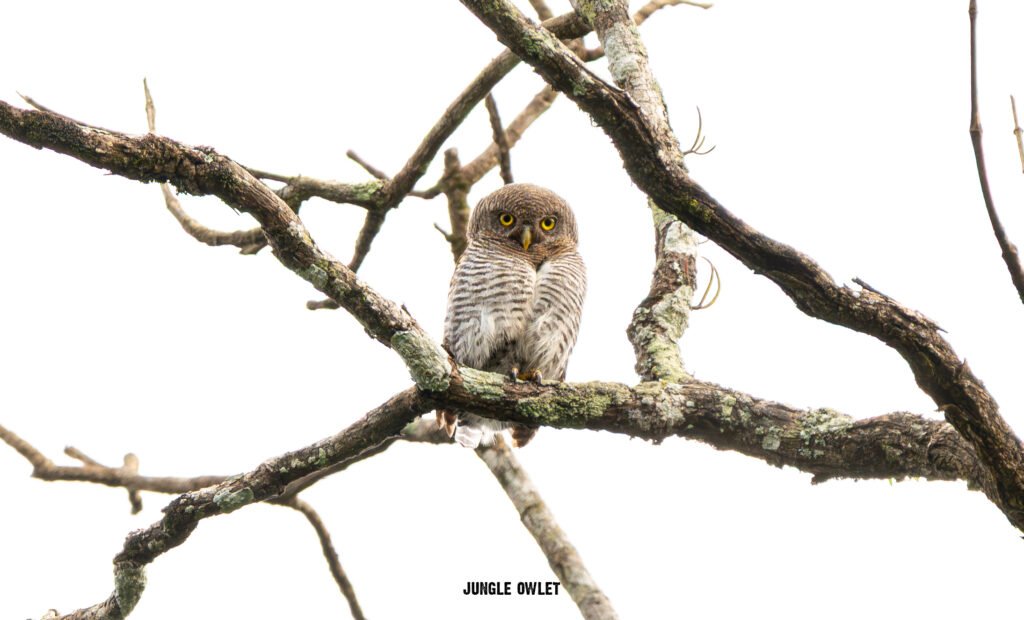
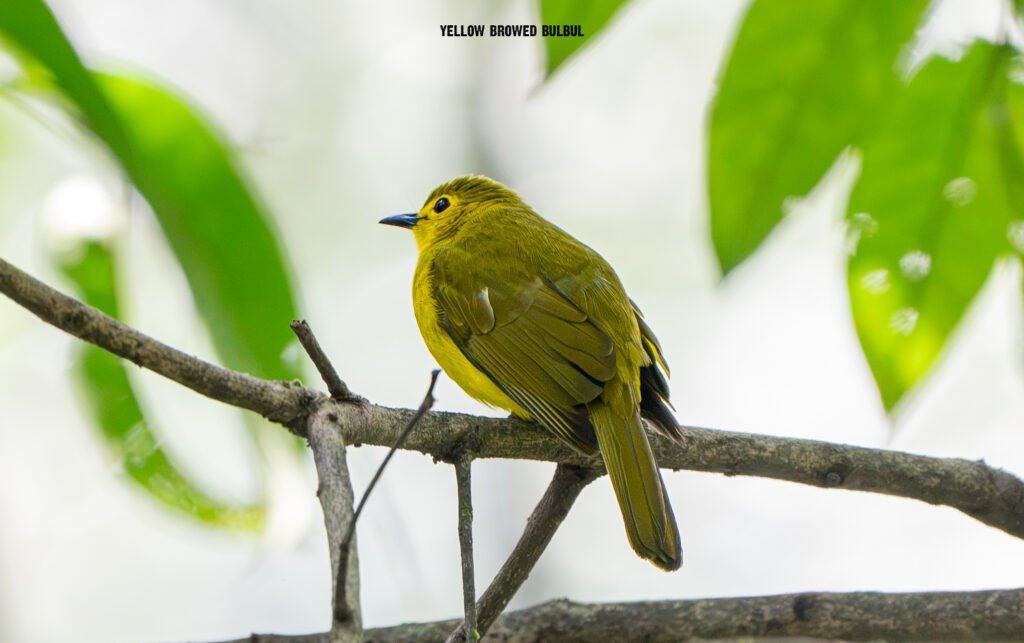
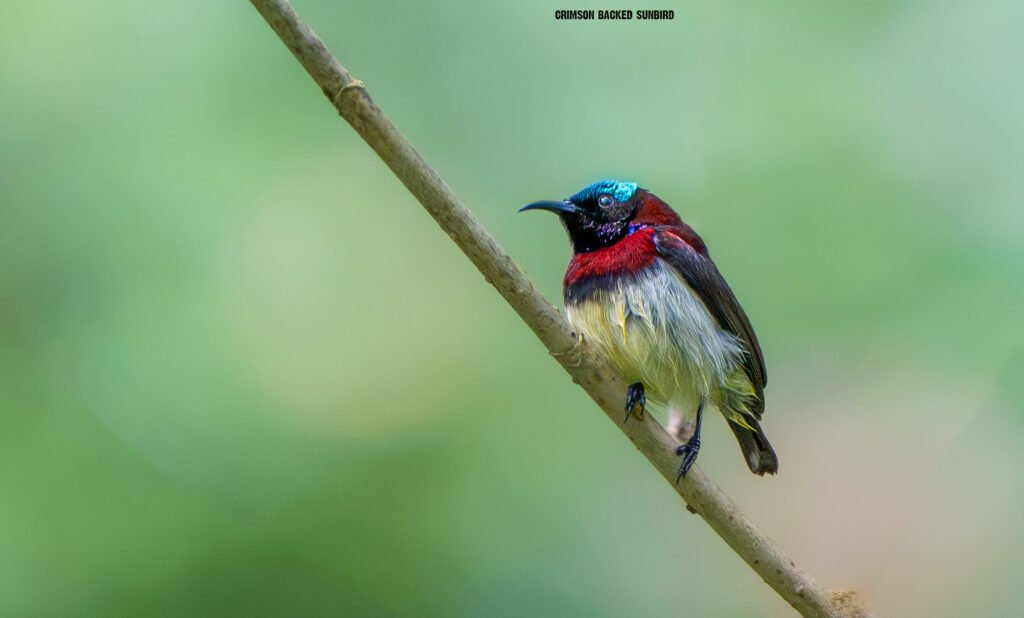
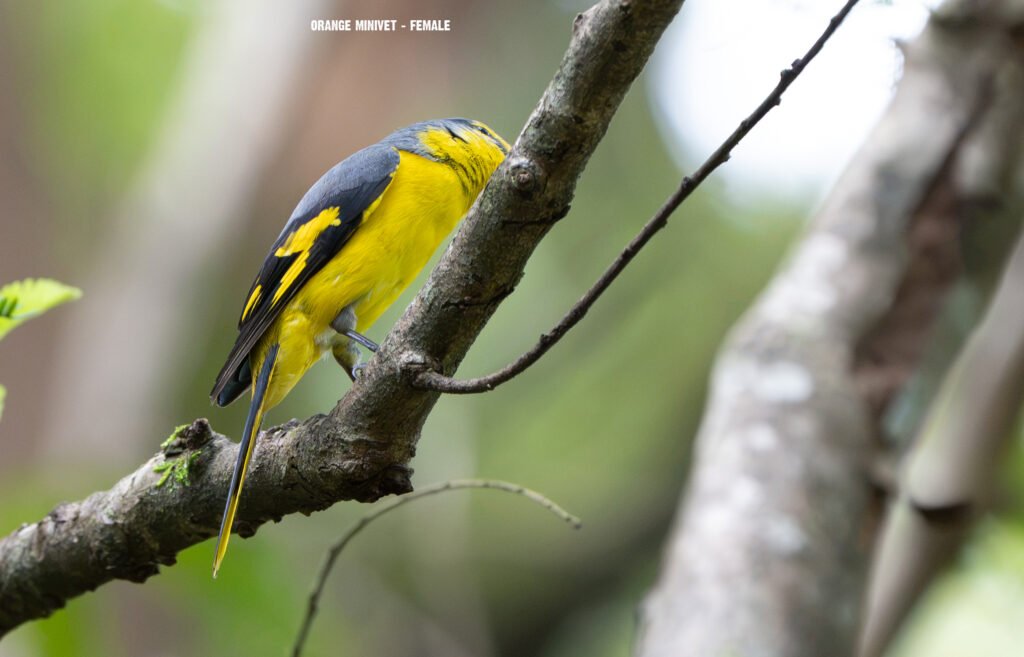
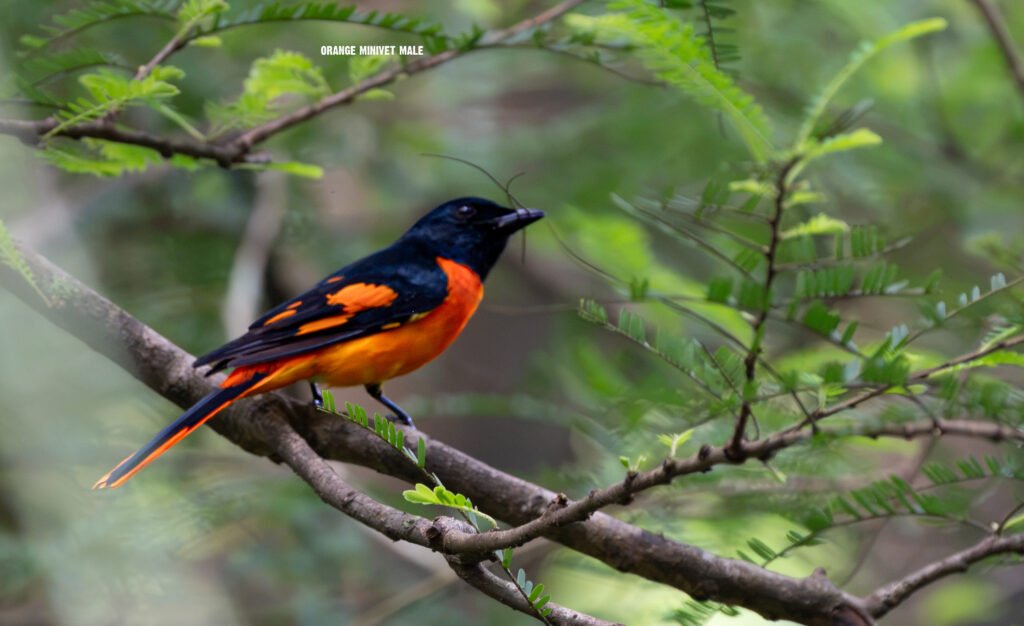
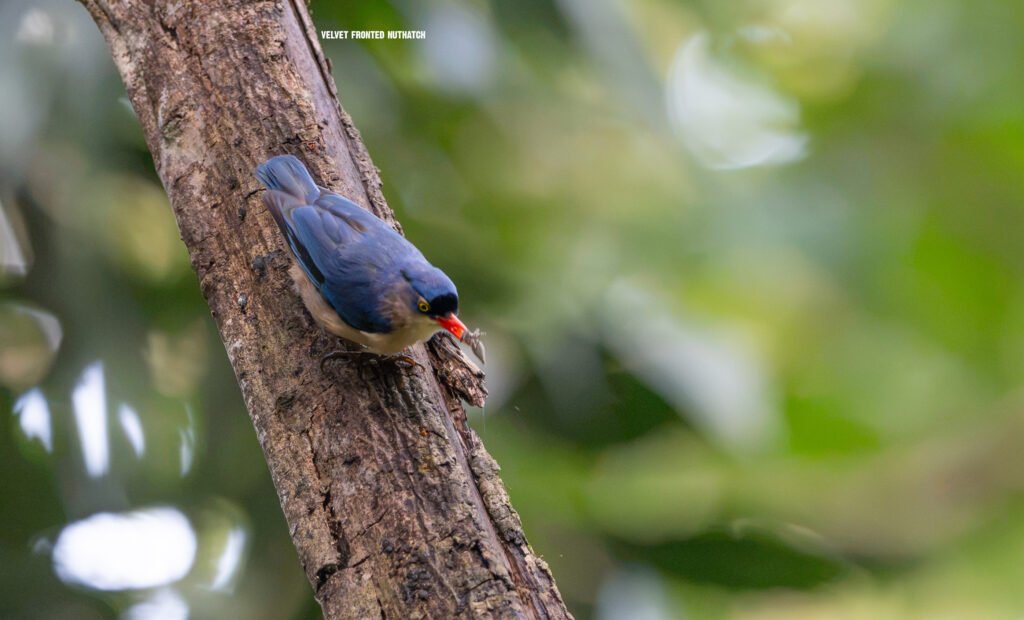
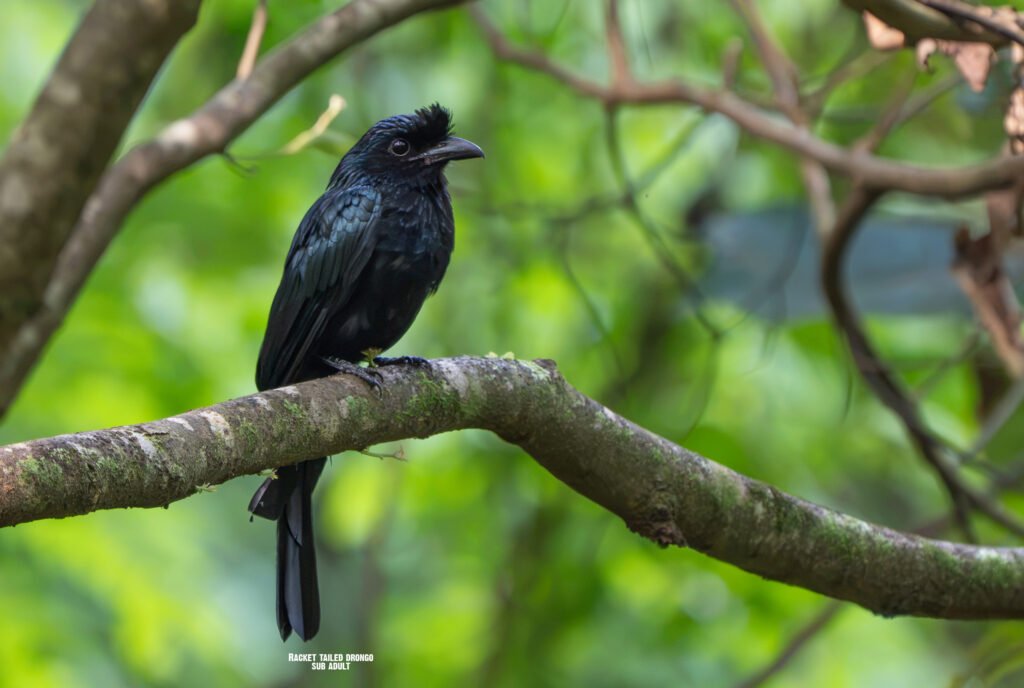
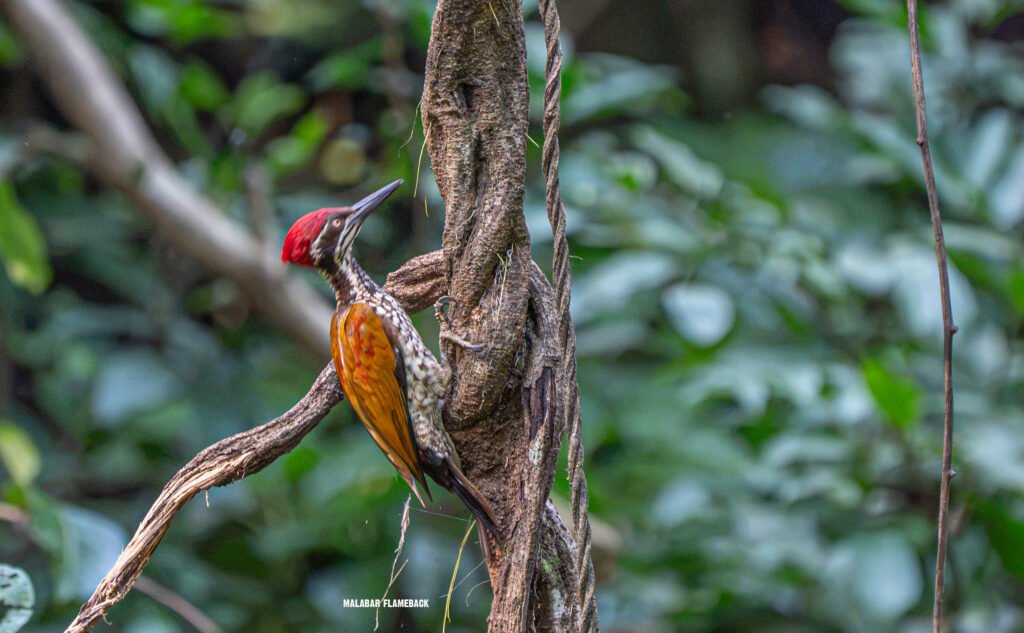
The Western Ghats are one of India’s most important biodiversity regions, stretching along the western side of the Indian peninsula from Gujarat and Maharashtra through Goa and Karnataka to Kerala and Tamil Nadu. Their mountains, evergreen forests, shola grasslands, wetlands, plantations and river valleys support an extraordinary diversity of birdlife.
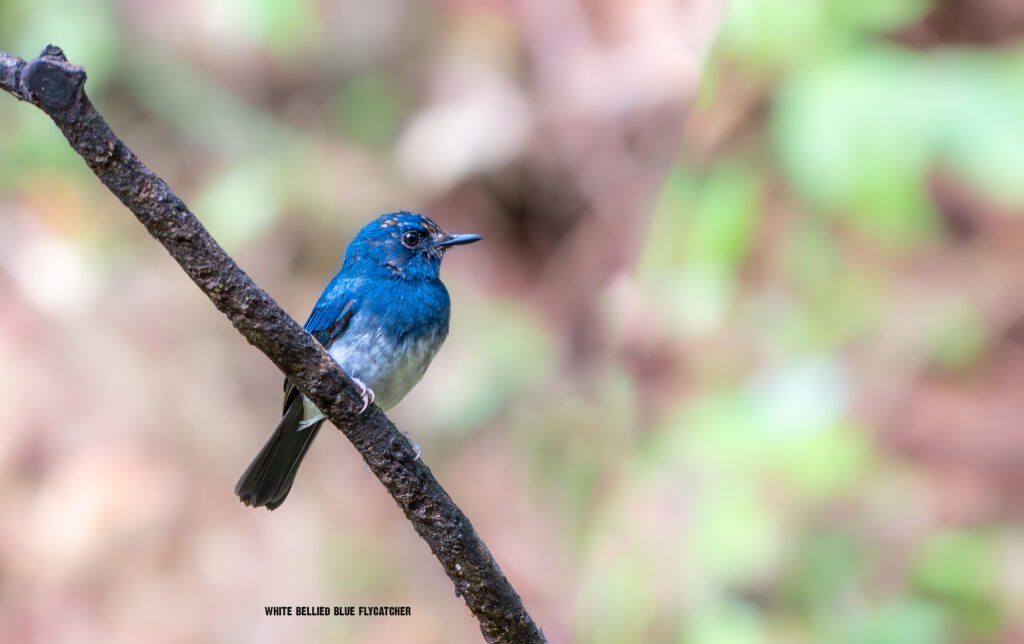
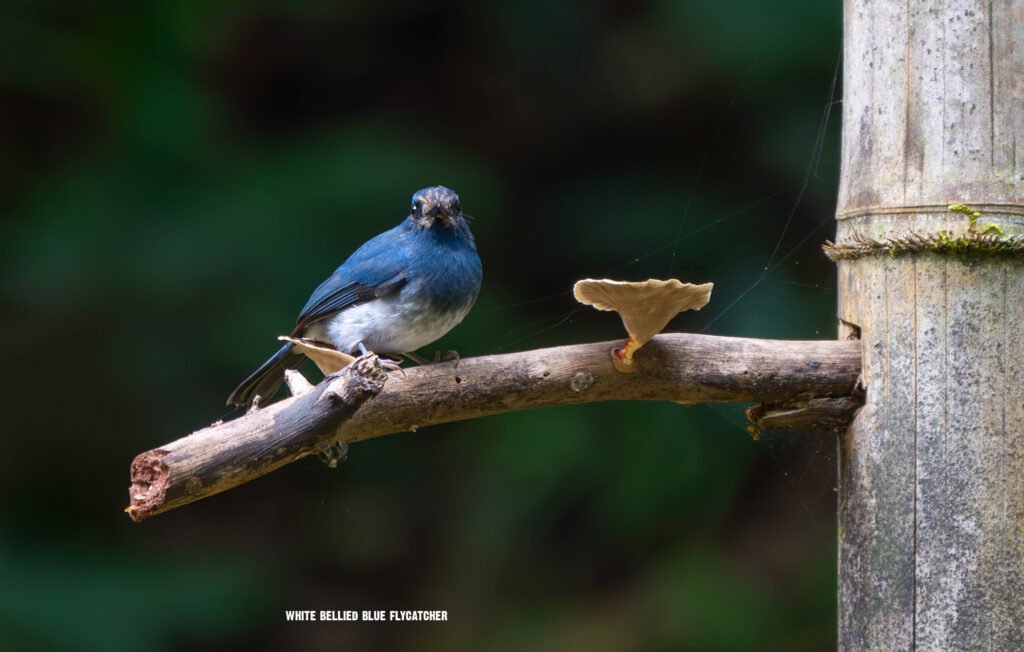
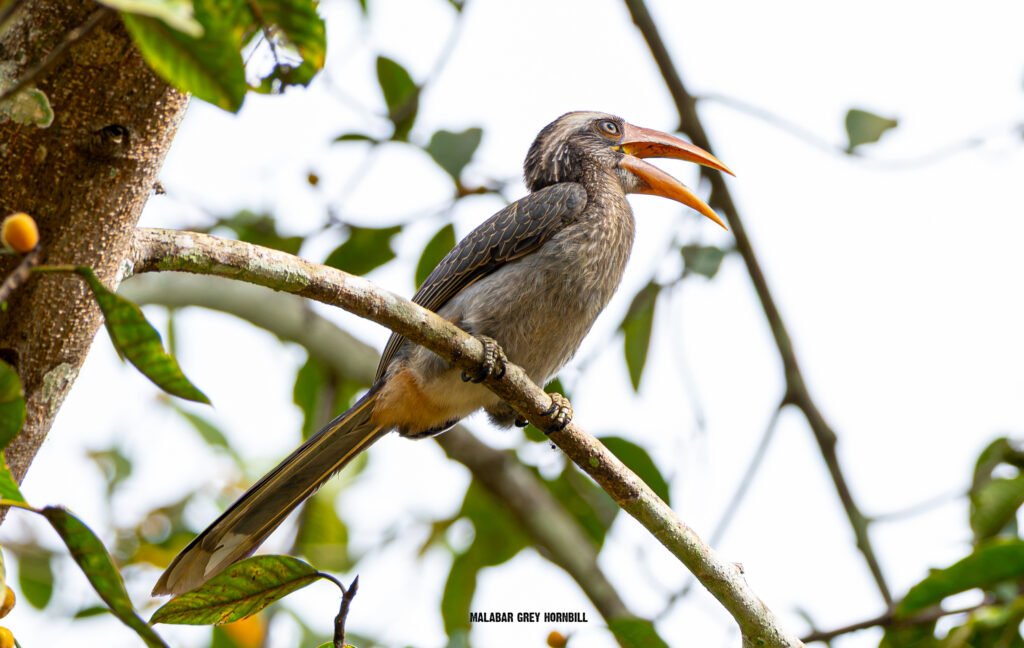
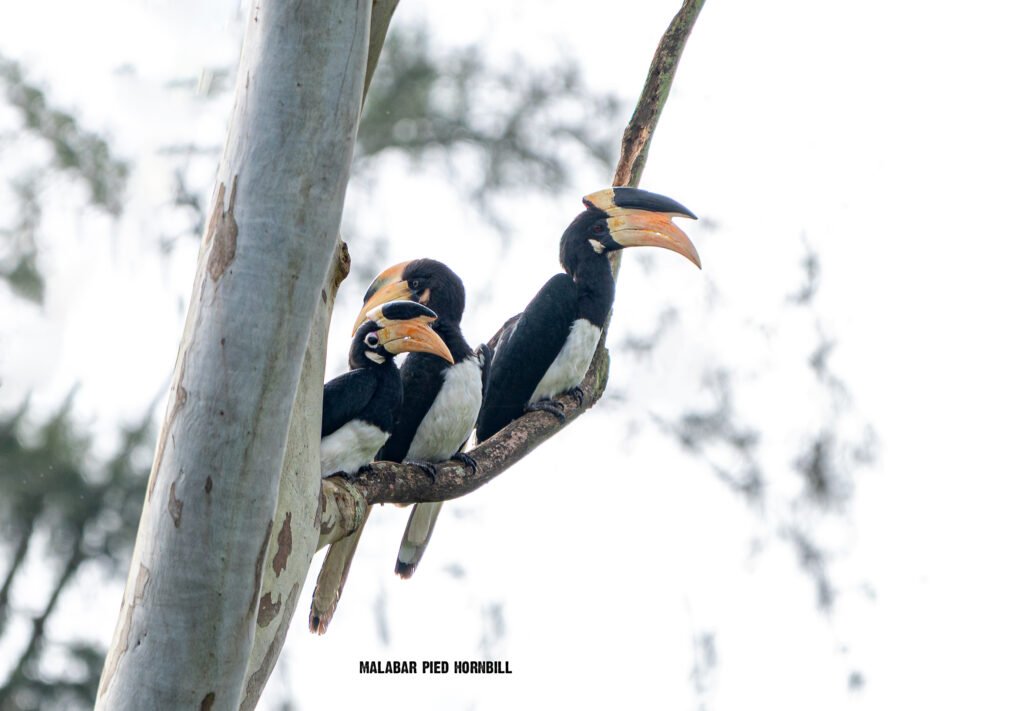
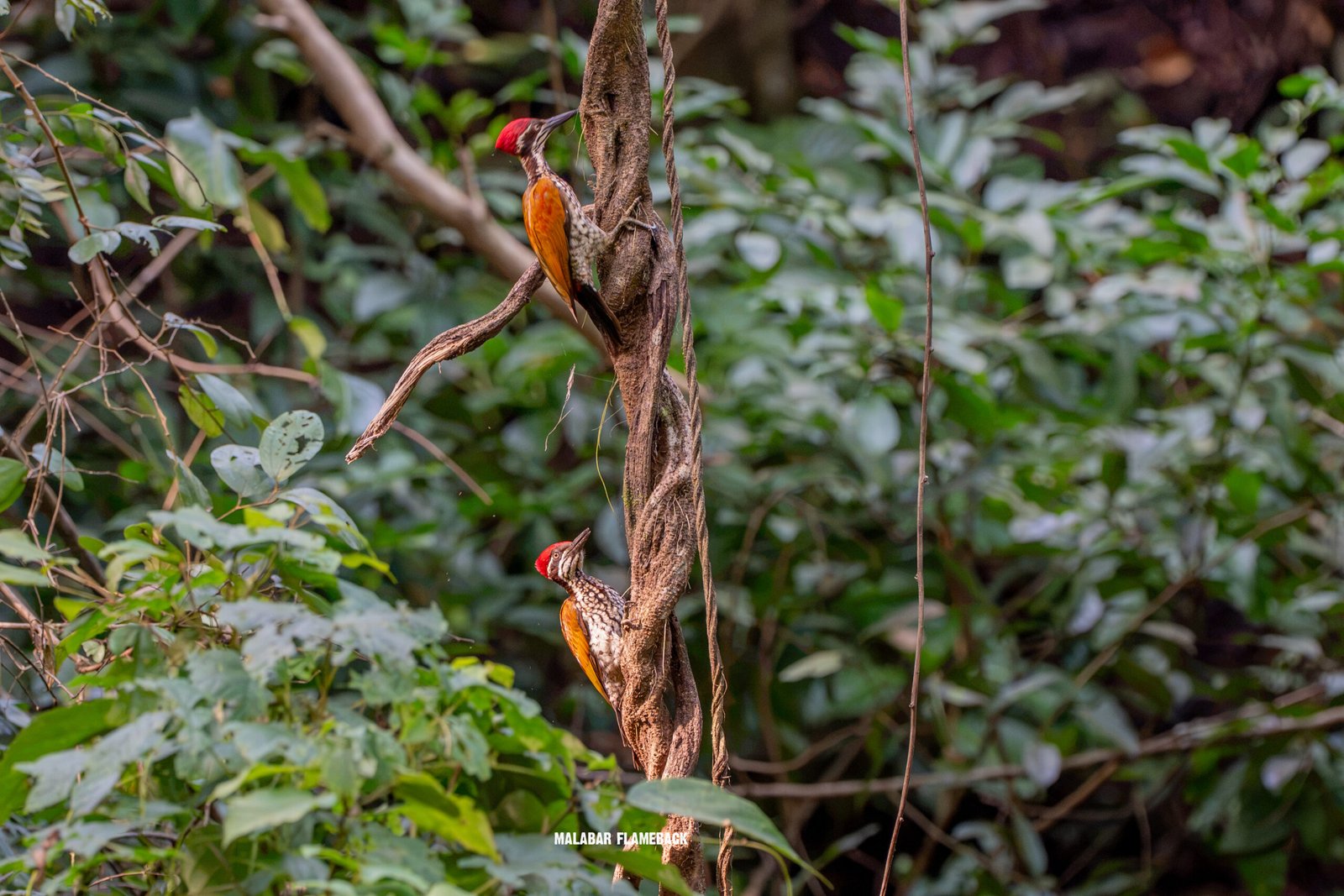
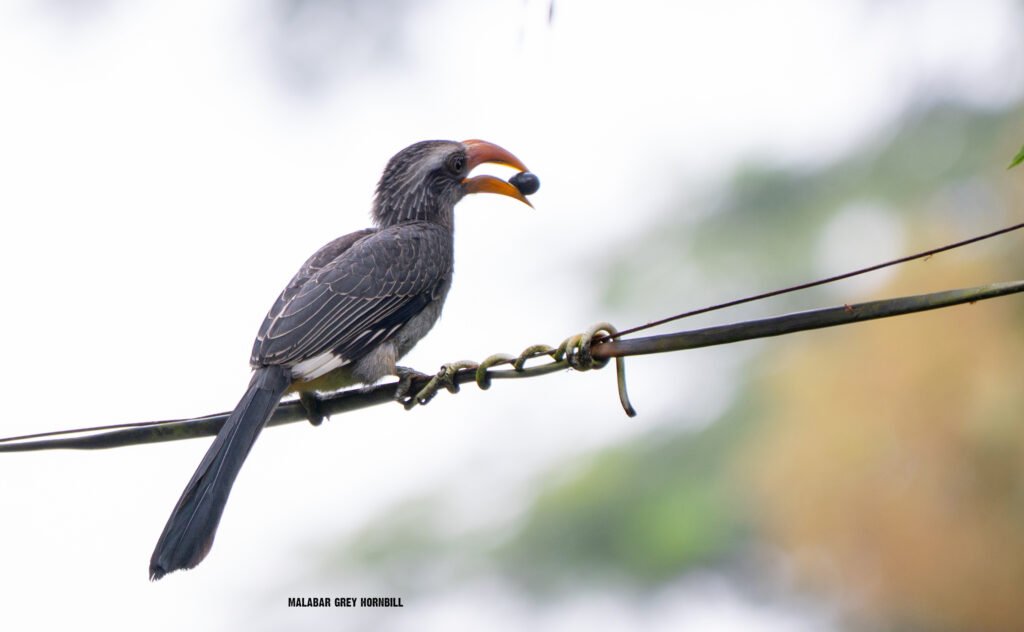
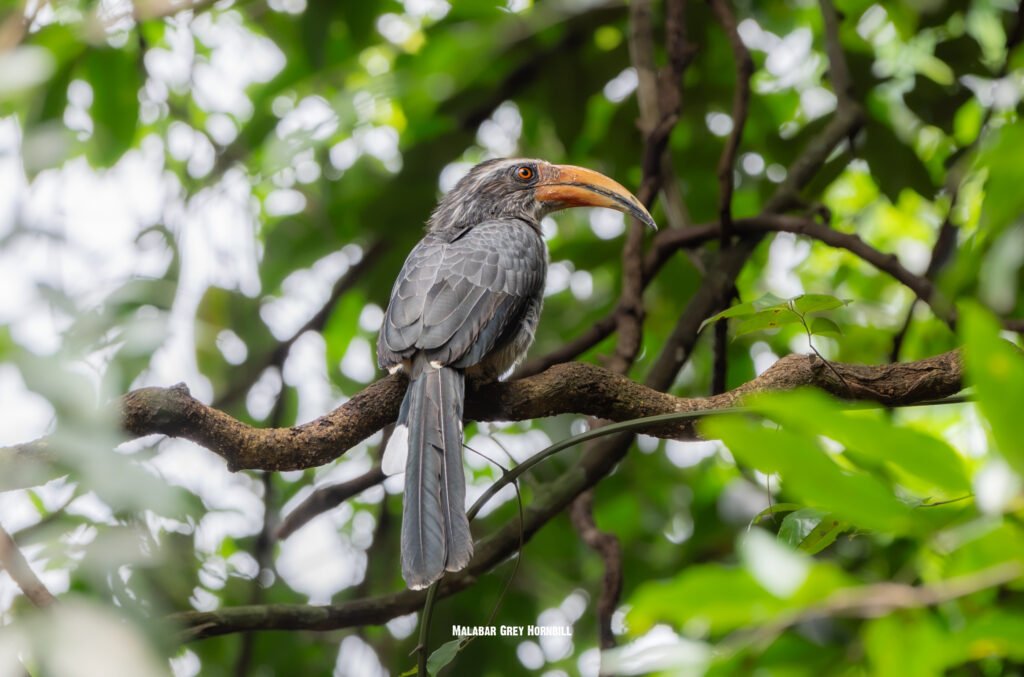
Among the most distinctive birds are species strongly associated with the Western Ghats, including the Malabar whistling thrush, Malabar grey hornbill, Nilgiri flycatcher, White-bellied blue flycatcher, Grey-headed bulbul, Nilgiri wood pigeon and Wynaad laughingthrush. The region also provides habitat for larger forest birds such as the Great hornbill and Malabar pied hornbill.
The Western Ghats are particularly important for endemic birds—species whose natural distribution is restricted to this region or its surrounding hills. Their isolation between mountain ranges and valleys has contributed to the evolution of many specialised species and populations.
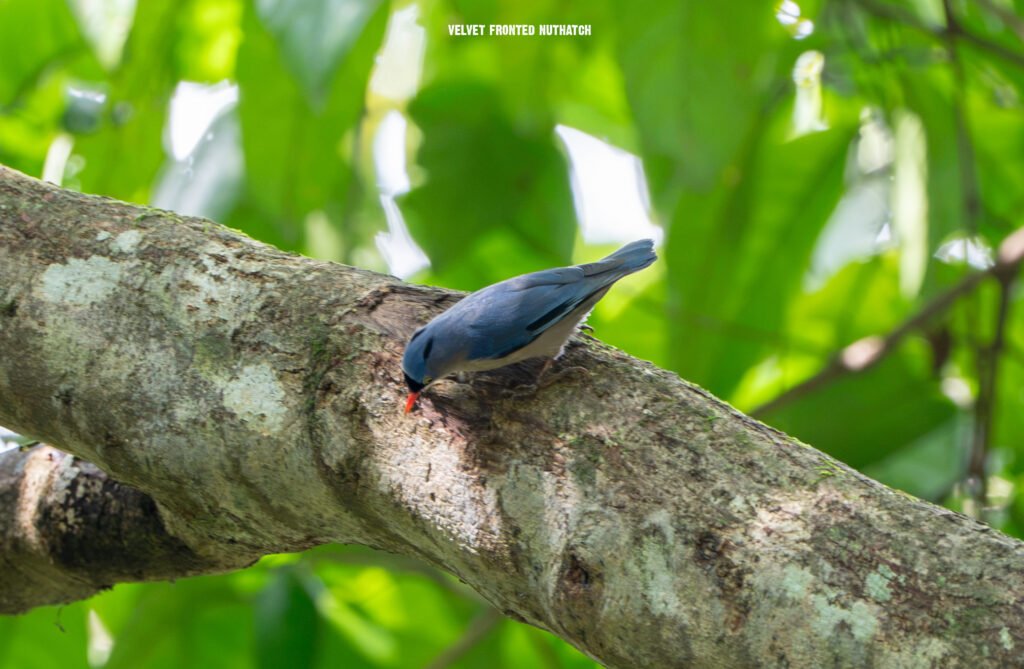
Birds also play important ecological roles. Hornbills and other fruit-eating birds disperse seeds, helping forests regenerate. Insect-eating birds help regulate insect populations, while nectar-feeding species contribute to pollination. Birds therefore form an important part of the ecological network connecting forests, streams, grasslands and agricultural landscapes.
-
Amphibian Sound Libraries
$0.00 -
Birds Soundscapes – Indian Birds
$0.00 -
Corbett Tiger Reserve
$0.00 -

Forest night sounds
$0.00
Leave a Reply