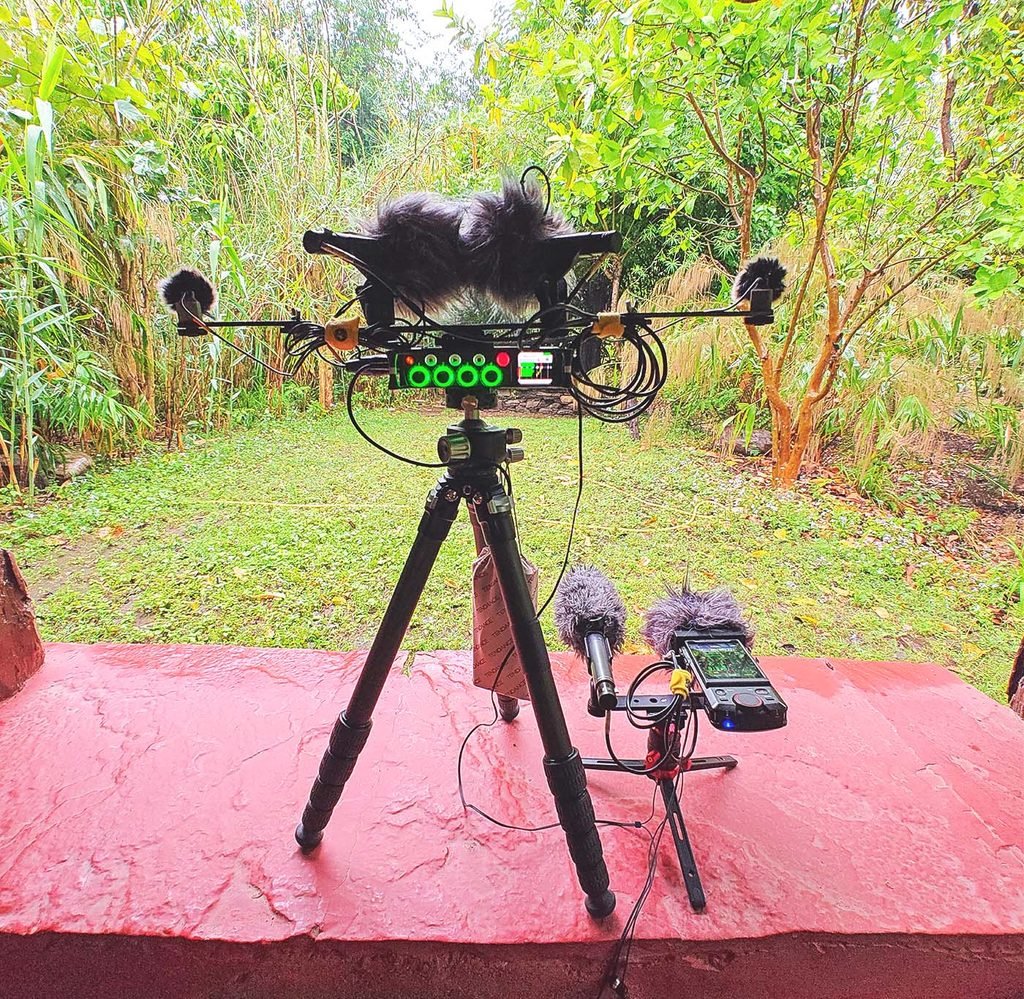
Field recording is the art and practice of capturing sounds from natural environments, urban spaces, and cultural landscapes. From birdsong in the forests and the rhythm of flowing rivers to the sounds of rain, wind, wetlands, and bustling city streets, field recording preserves the acoustic identity of a place.
Beyond creative expression, field recording plays an important role in wildlife conservation, bioacoustics, and ecoacoustics. Systematic recordings of soundscapes can help researchers monitor biodiversity, study animal behaviour, understand environmental changes, and assess the impact of human-generated noise on ecosystems.
By listening carefully to the world around us, field recording creates an audio archive of our changing planet — connecting people with nature and helping make the invisible acoustic world a valuable resource for science, storytelling, and conservation.
Types and categories of subjects
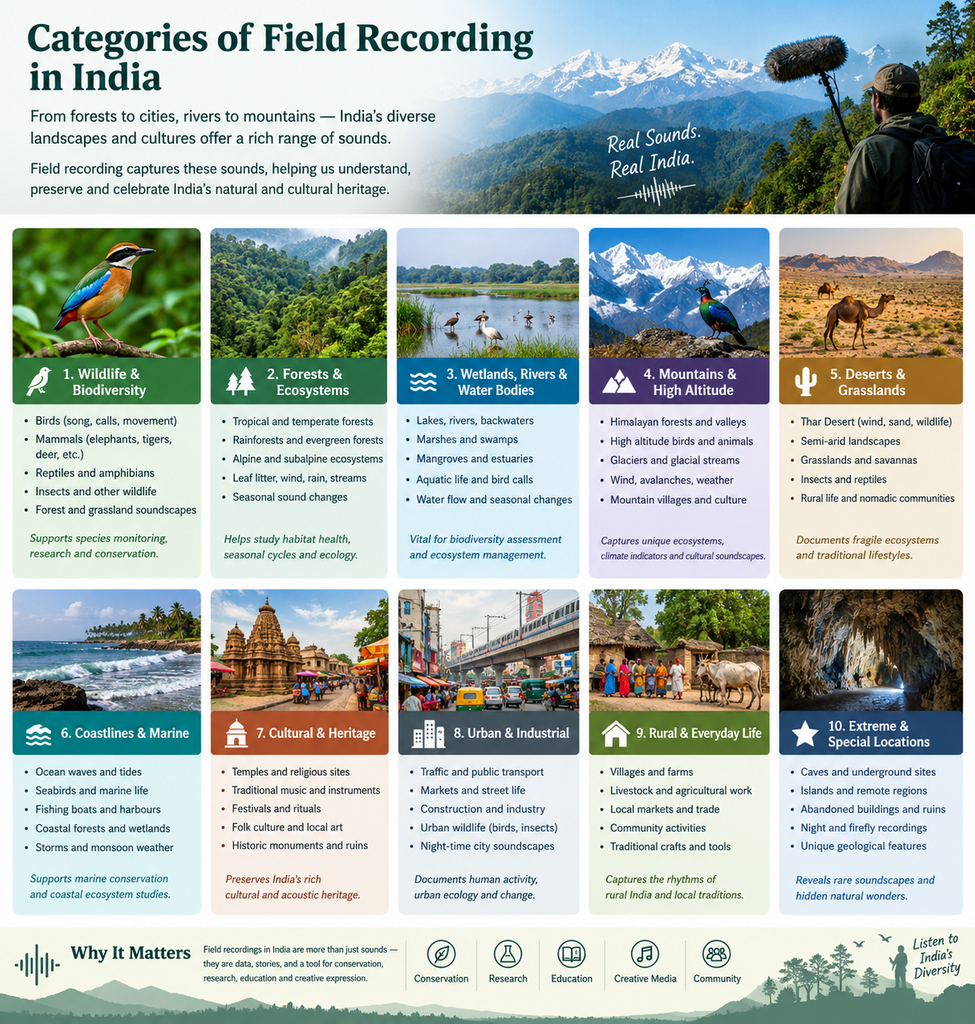
Commercial Sound Effects and Sound Libraries: Recording high-quality, carefully documented sounds for films, games, advertising, podcasts, immersive media, and licensed audio collections.
Experimental and Artistic Field Recording: Abstract sound textures, sound walks, acoustic compositions, ambient recordings, and sound-based storytelling.
Field recording in India can serve both commercial and conservation purposes.
Systematic recordings from fixed locations over weeks, months, or years can help document changes in biodiversity, identify noise pollution, preserve cultural heritage, and build valuable long-term sound archives.
Combining high-quality recording equipment with accurate metadata, location information, seasonal logs, and acoustic analysis can transform individual recordings into useful scientific, cultural, and creative resource
Target Audience
The target audience for field recording in India spans a diverse range of professionals, creators, researchers, and organisations interested in capturing, studying, preserving, and using natural and human-made sounds. This includes filmmakers, sound designers, musicians, game developers, podcasters, and content creators who require authentic Indian soundscapes for films, documentaries, advertisements, music, and digital media.
Another important audience comprises wildlife researchers, ecologists, conservation organisations, universities, and environmental scientists who use field recordings for biodiversity monitoring, bird and amphibian studies, ecoacoustics, habitat assessment, and conservation research. Educational institutions, museums, cultural organisations, and sound artists also use recordings to document India’s diverse natural environments, traditional practices, regional music, urban soundscapes, and vanishing acoustic heritage.
With growing interest in immersive audio, meditation, wellness, and environmental awareness, field recordings also offer opportunities in sound therapy, nature-based experiences, and digital sound libraries. Together, these audiences create opportunities for field recording in India across commercial licensing, scientific research, cultural preservation, environmental education, and wildlife conservation.
Locations for Field Recording in India
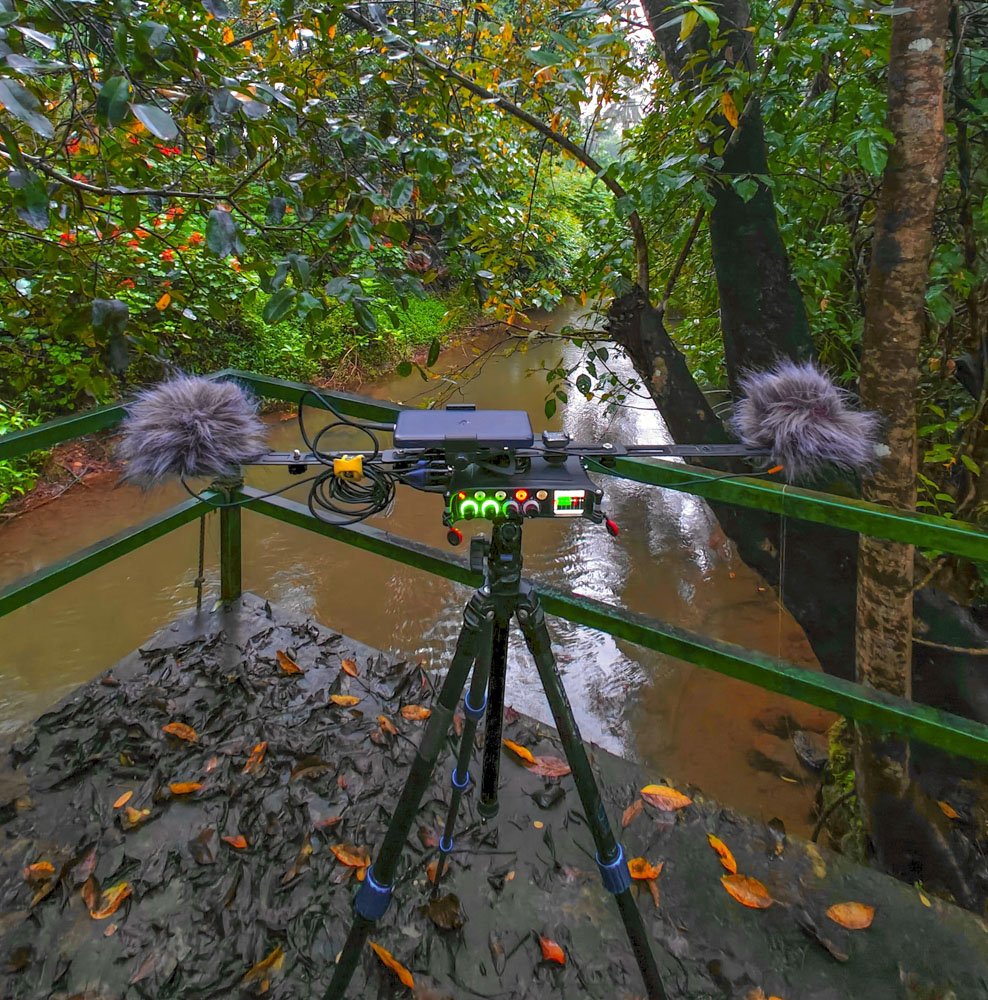
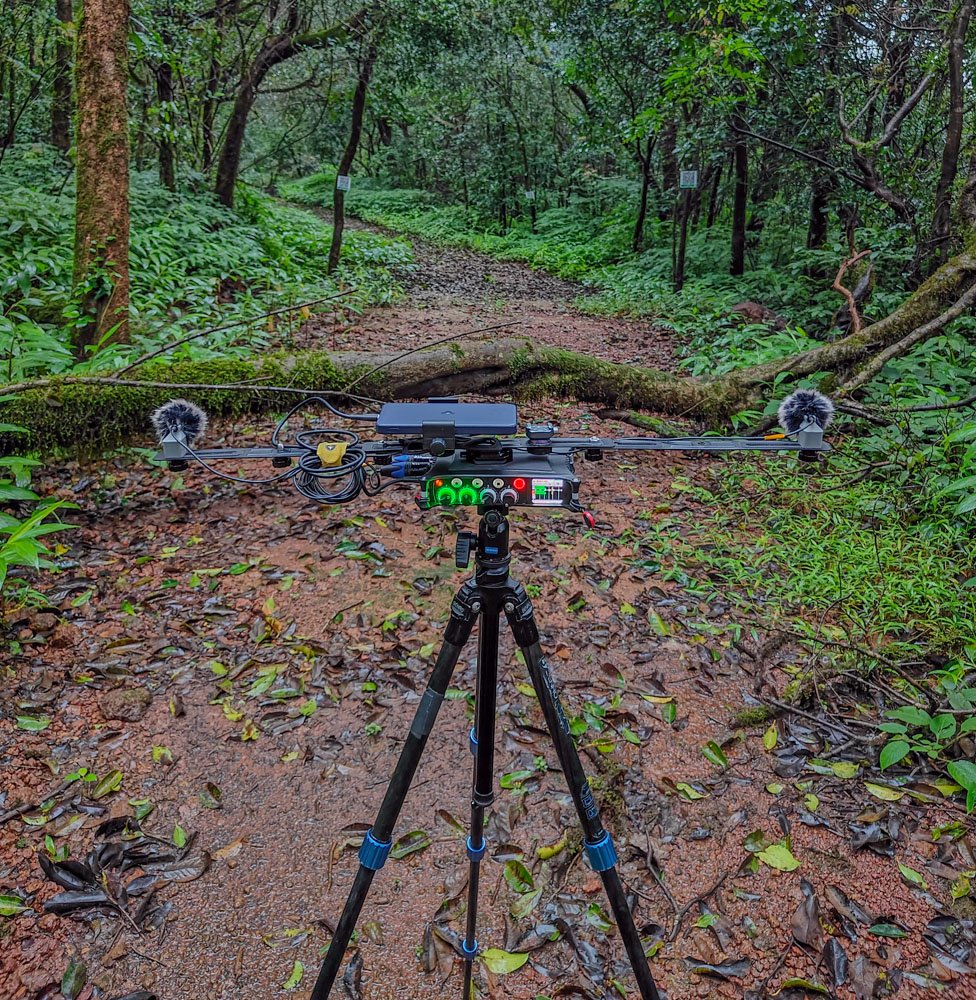
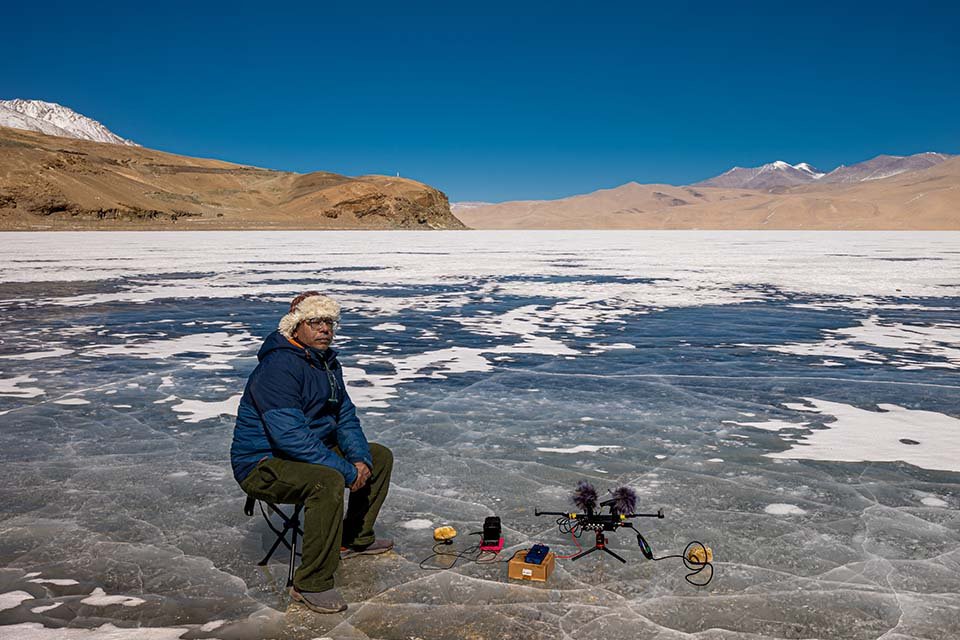
India offers an extraordinary diversity of locations for field recording, ranging from the Himalayan mountains and dense tropical forests to wetlands, deserts, coastlines, rural settlements, and bustling urban environments. The Himalayas provide opportunities to record mountain birds, forest soundscapes, flowing streams, wind, and seasonal weather, while the Western Ghats and Northeast India offer rich biodiversity, including frogs, insects, birds, and rainforest soundscapes.
Wetlands, lakes, rivers, and mangroves are valuable locations for recording aquatic environments, migratory birds, amphibians, and changing ecological conditions. The deserts of Rajasthan, grasslands of central India, and forests of national parks and wildlife sanctuaries offer distinctive natural soundscapes. India’s villages, traditional markets, temples, railway stations, historic monuments, and coastal communities provide opportunities to document cultural, industrial, and everyday acoustic environments.
Challenges of Field Recording in India
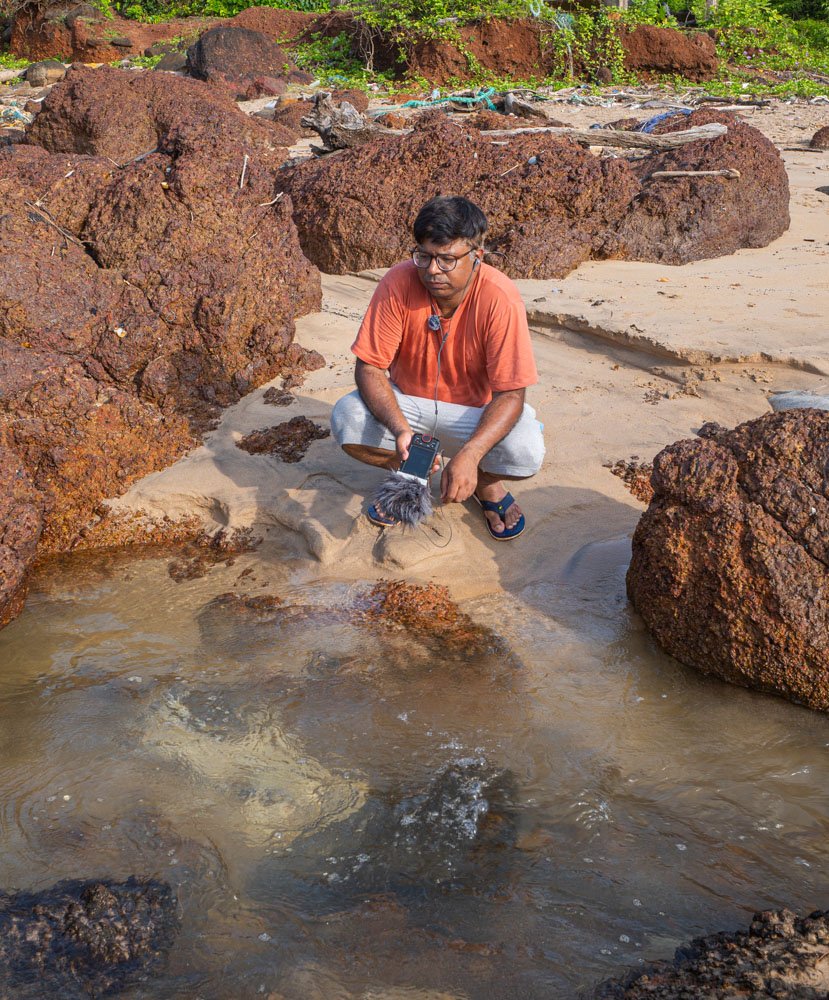
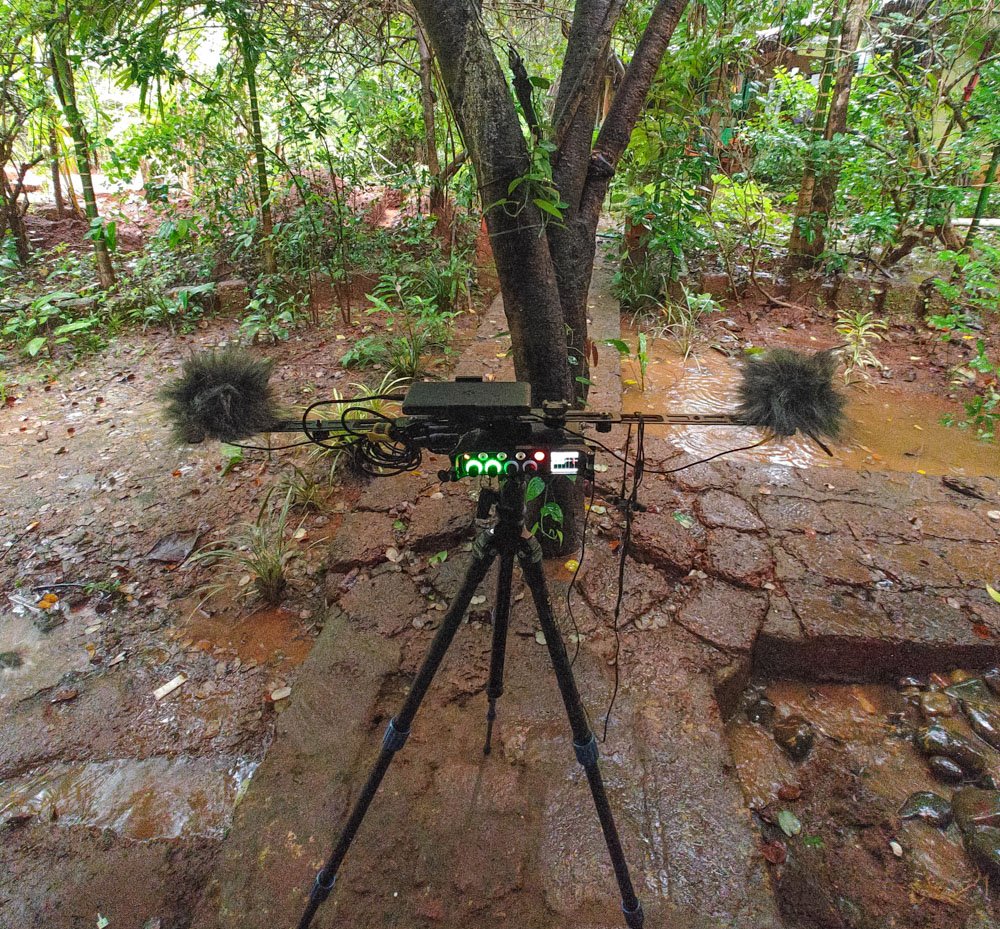
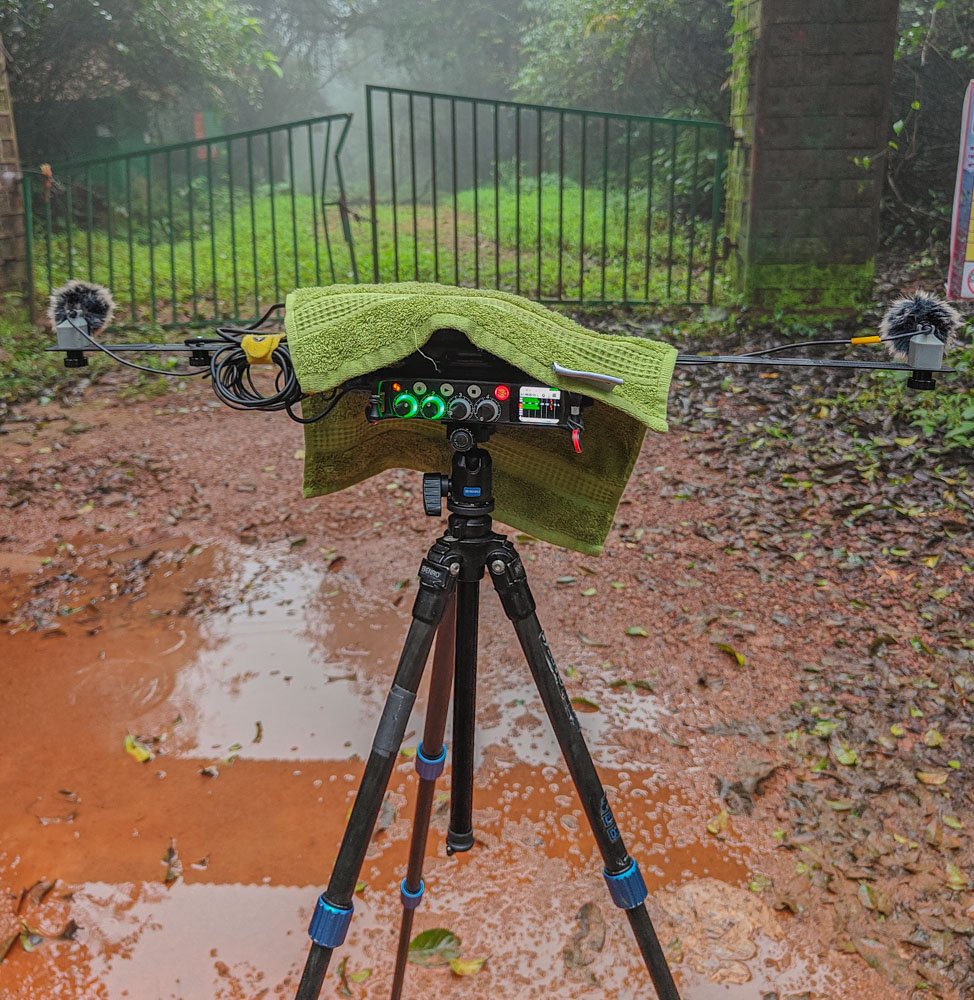
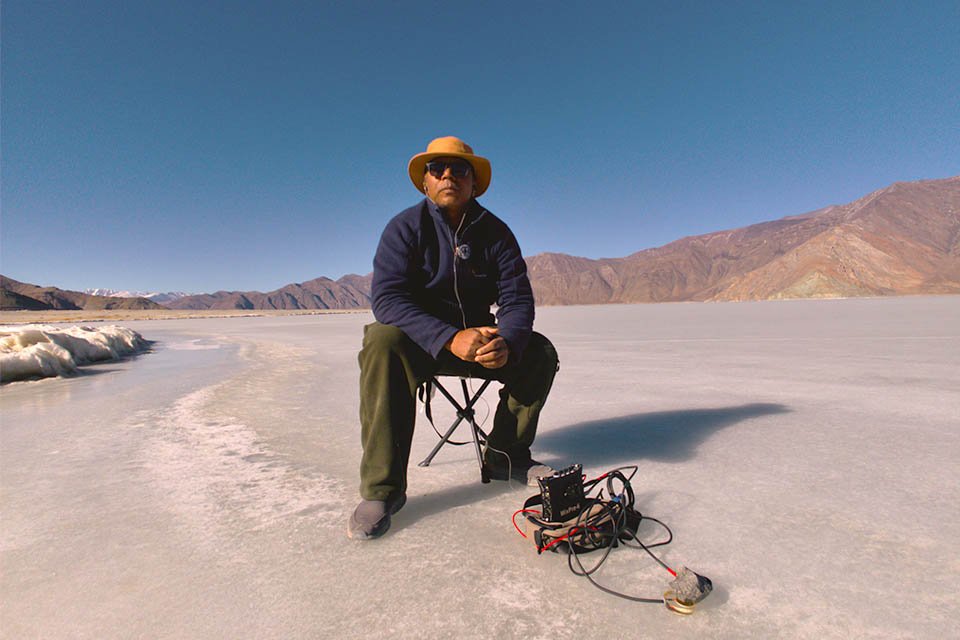
Field recording in India presents a unique set of environmental, technical, logistical, and social challenges. High levels of ambient noise from road traffic, construction, industries, religious activities, and tourism can make it difficult to capture clean natural soundscapes, particularly in urban areas and near protected habitats. Extreme weather conditions, including monsoon rainfall, high humidity, heat, dust, and strong winds, can affect recording equipment and compromise audio quality.
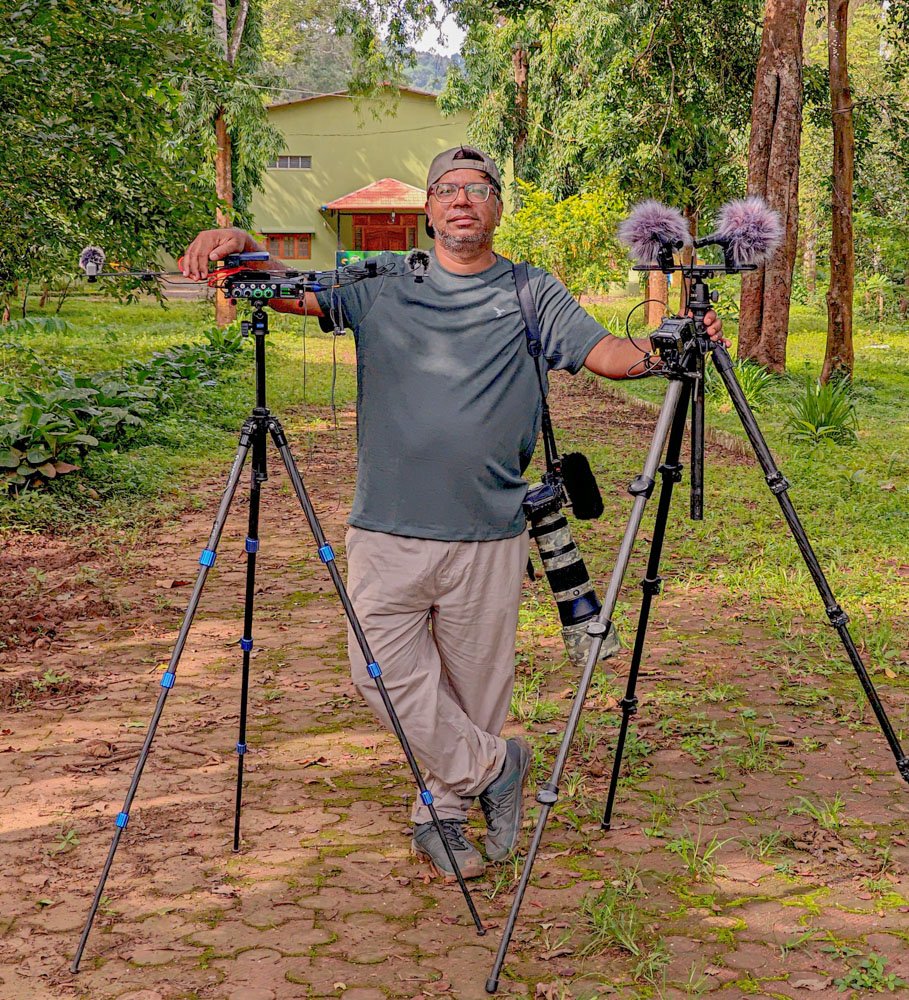
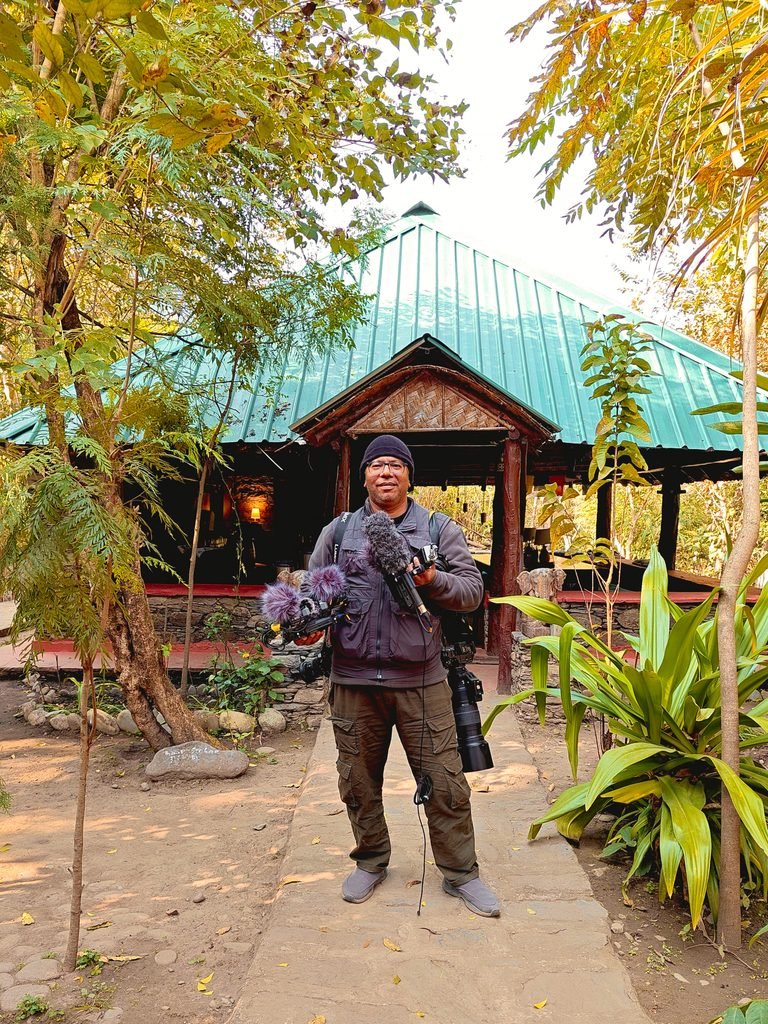
Access to remote forests, wetlands, mountains, and wildlife habitats can be difficult due to poor connectivity, challenging terrain, limited accommodation, and seasonal road closures. Recording in protected areas may require permissions from forest departments and wildlife authorities, while ethical considerations are essential to avoid disturbing wildlife or sensitive habitats. Equipment costs, limited access to specialised recording gear, power and storage constraints, and the need for reliable data management add further difficulties.

Products by Category
-

Amphibian Sound Libraries
$0.00 -
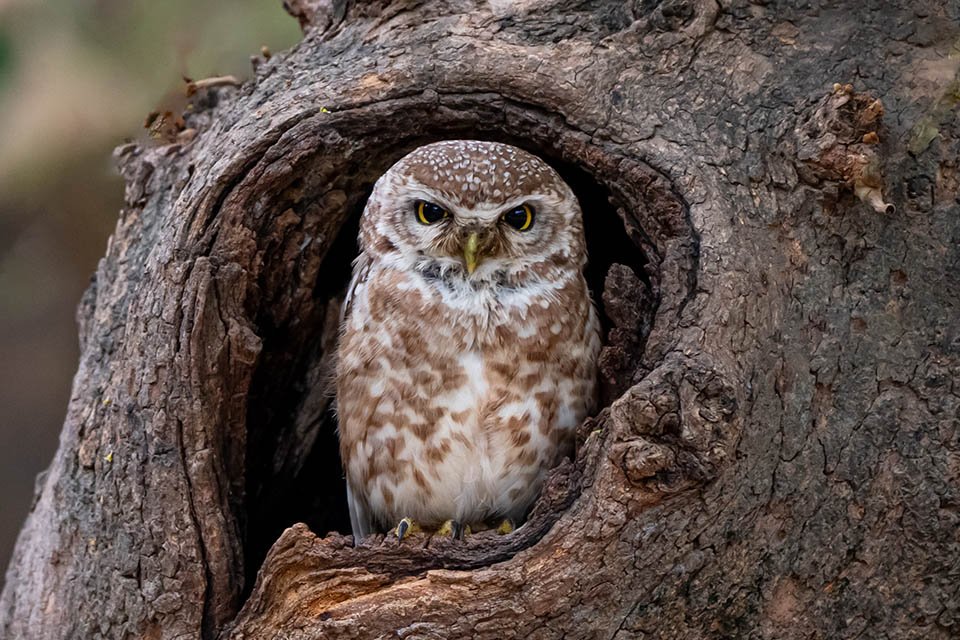
Birds Soundscapes
$0.00 -
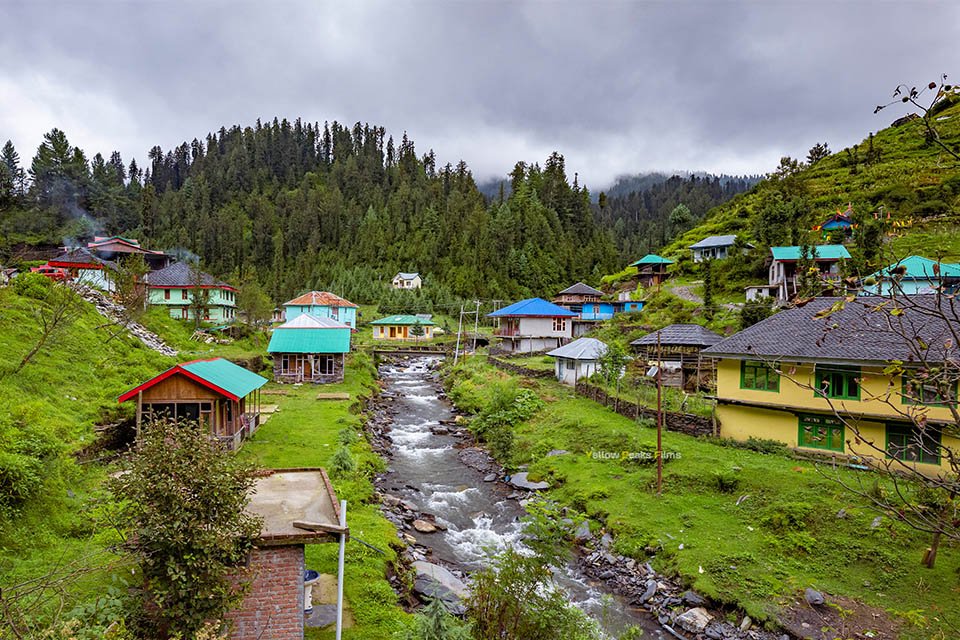
Corbett Tiger Reserve
$0.00 -

Forest night sounds
$0.00 -
Sea waves Sounds
$0.00 -
Sounds of Frozen Lakes
$0.00 -
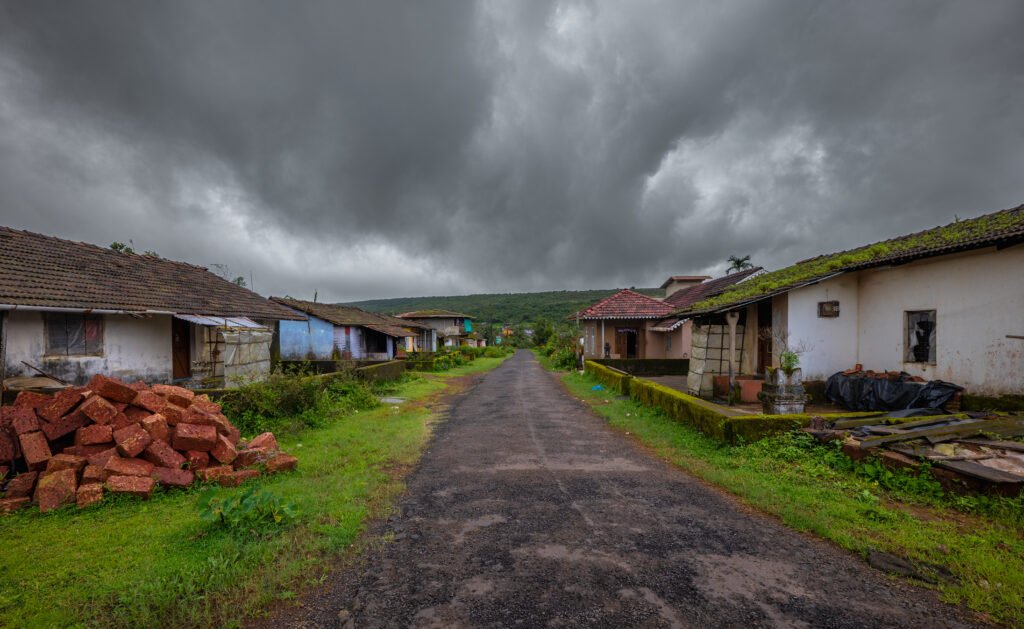
Sounds of Rain
$0.00 -
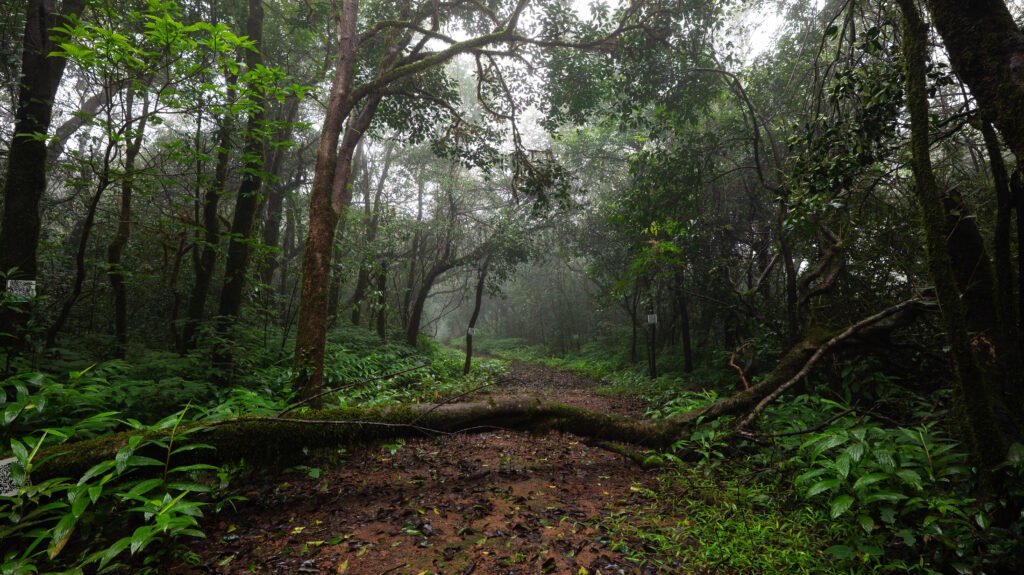
Western Ghats of India
$0.00 -
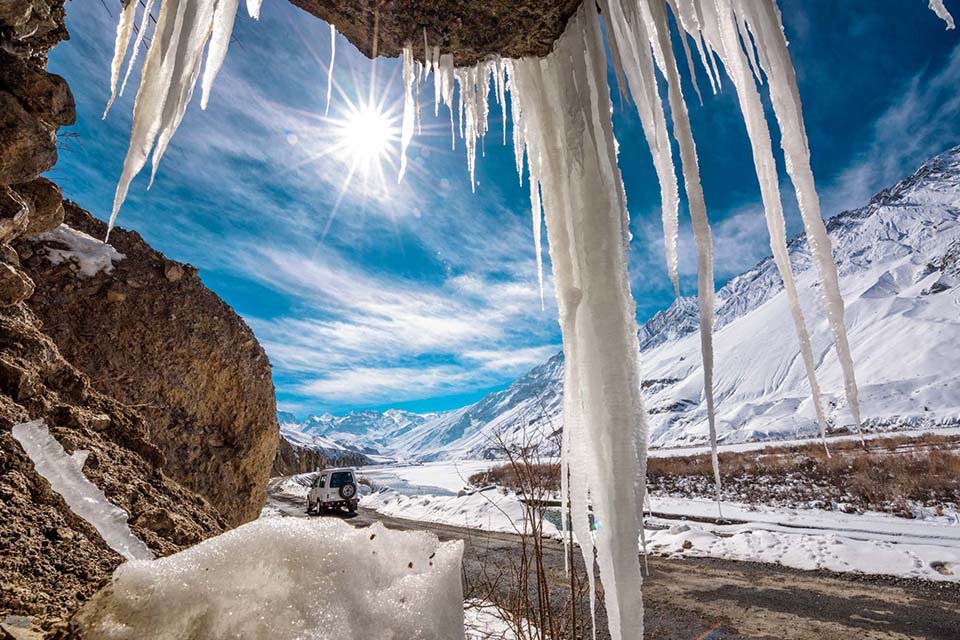
Winter in Himalayas
$0.00
Leave a Reply