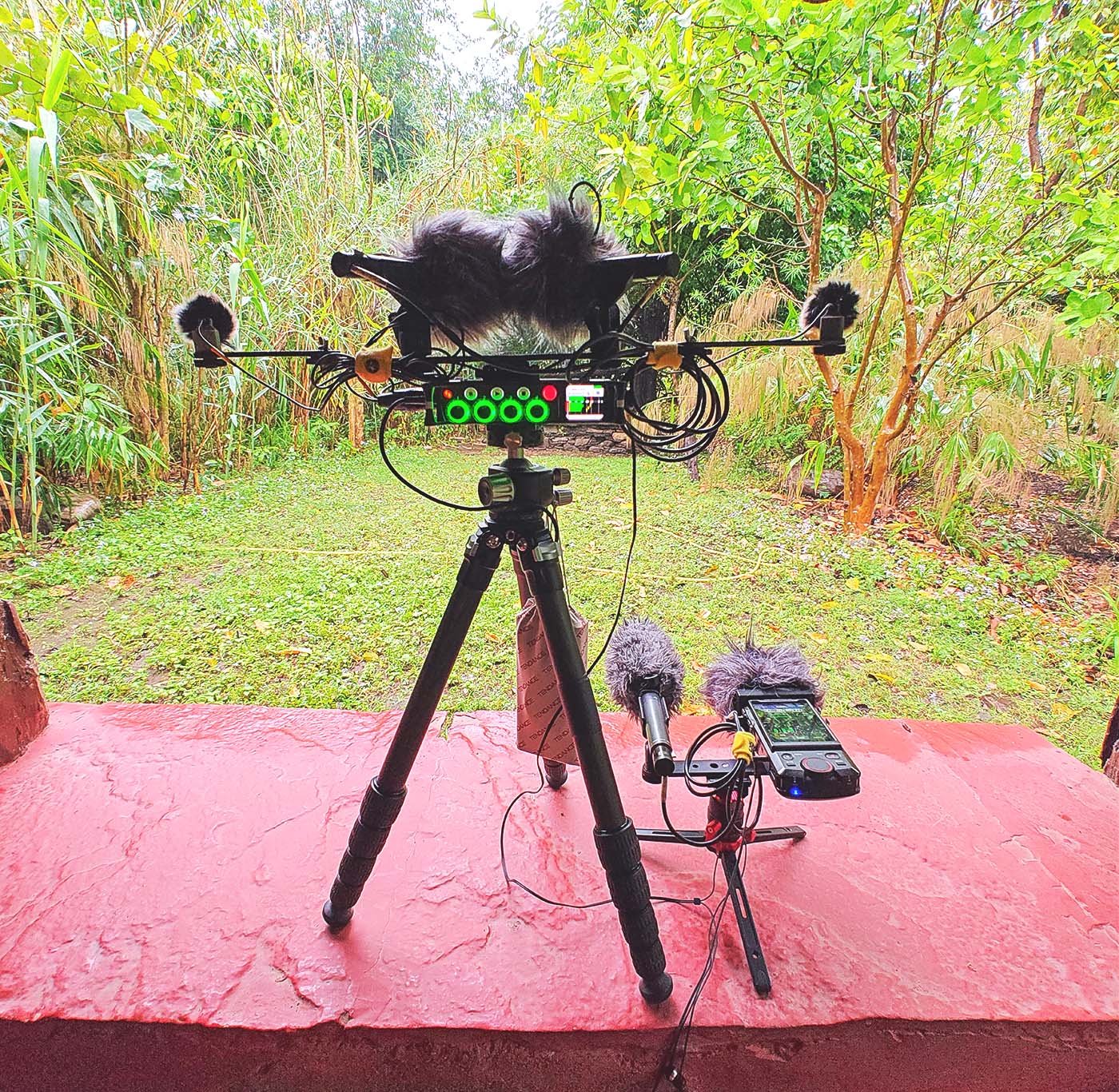
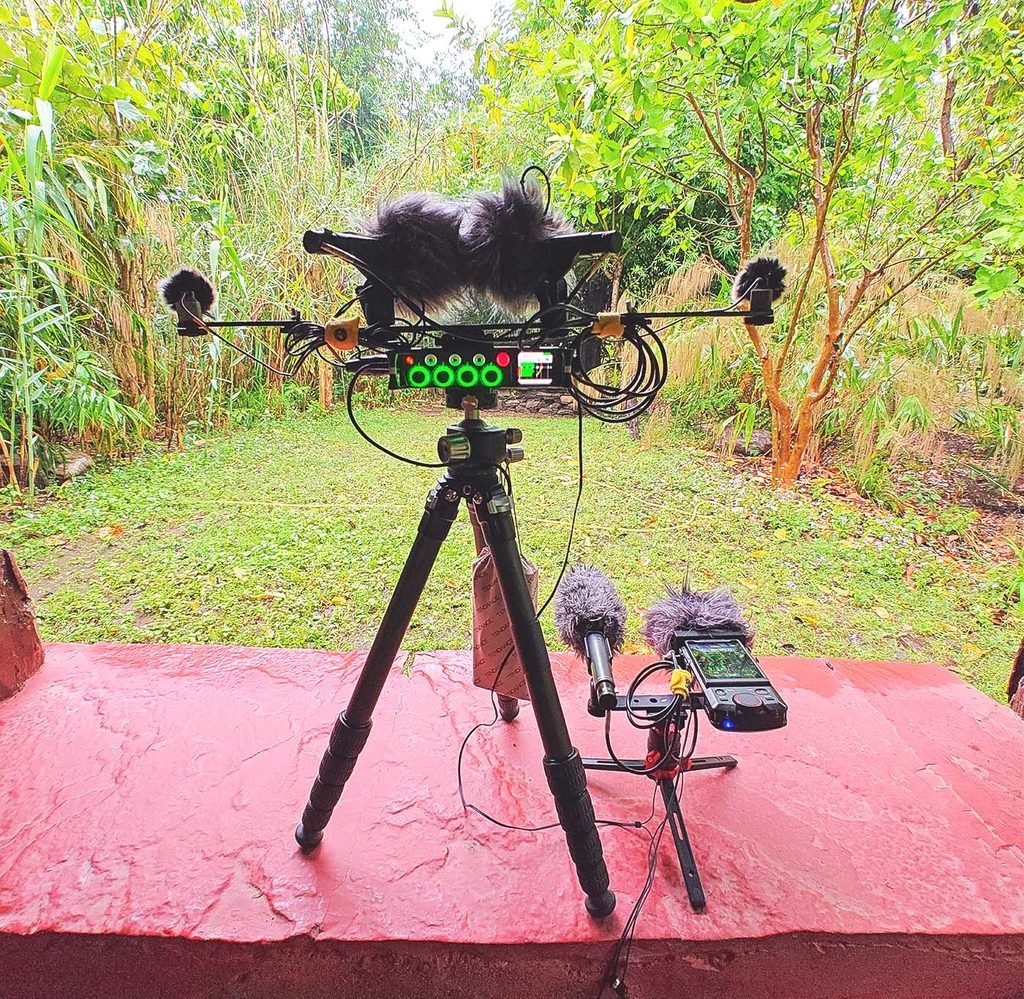
The Himalaya is not only a landscape of dramatic mountains, forests and alpine meadows—it is also an extraordinary acoustic environment. From the dawn chorus of Himalayan songbirds in temperate forests to the calls of birds echoing across deep valleys, every elevation and habitat has its own acoustic character. Recording these sounds in the field can become both a creative pursuit and a valuable tool for documenting biodiversity.
Bird sound recording requires considerably more than simply pointing a microphone toward a singing bird. The objective is to capture the bird clearly while preserving the natural acoustic environment in which the sound exists.
Choosing the Right Location
The Himalaya offers a remarkable range of habitats: oak and rhododendron forests, pine forests, river valleys, alpine meadows, wetlands and high-altitude scrublands. Each supports a different bird community and soundscape.
Quiet forest patches away from roads and settlements are particularly valuable. Early mornings are often the best period for recording, when birds are most vocally active and human-generated noise is relatively low. Recording at the same location at dawn, during the day and around dusk can reveal significant changes in the acoustic character of the habitat.
The Importance of the Microphone
For individual bird calls, a directional microphone such as a shotgun microphone can help isolate a distant bird from surrounding sounds. A parabolic microphone can provide even greater directionality and is particularly useful for distant or canopy-dwelling birds.
For documenting the overall Himalayan soundscape, however, an omnidirectional or stereo microphone setup can be more appropriate. Instead of isolating one bird, the objective becomes capturing the relationship between birds, insects, wind, water and other environmental sounds.
A good field recorder should therefore carry different microphones depending on the purpose of the recording.
Recording Technique
Patience is perhaps the most important piece of equipment.
Once a bird is located, stop moving and allow the environment to settle. Clothing, footsteps, branches, breathing and handling noise can easily become louder than the distant bird itself. Good field-recording practice recommends remaining extremely still and allowing sufficient time for the bird to produce several calls or songs.
Whenever possible, approach gradually without changing the bird’s behaviour. Getting closer can dramatically improve the ratio between the bird’s sound and the background environment, but the welfare of the bird should always take priority over obtaining a closer recording.
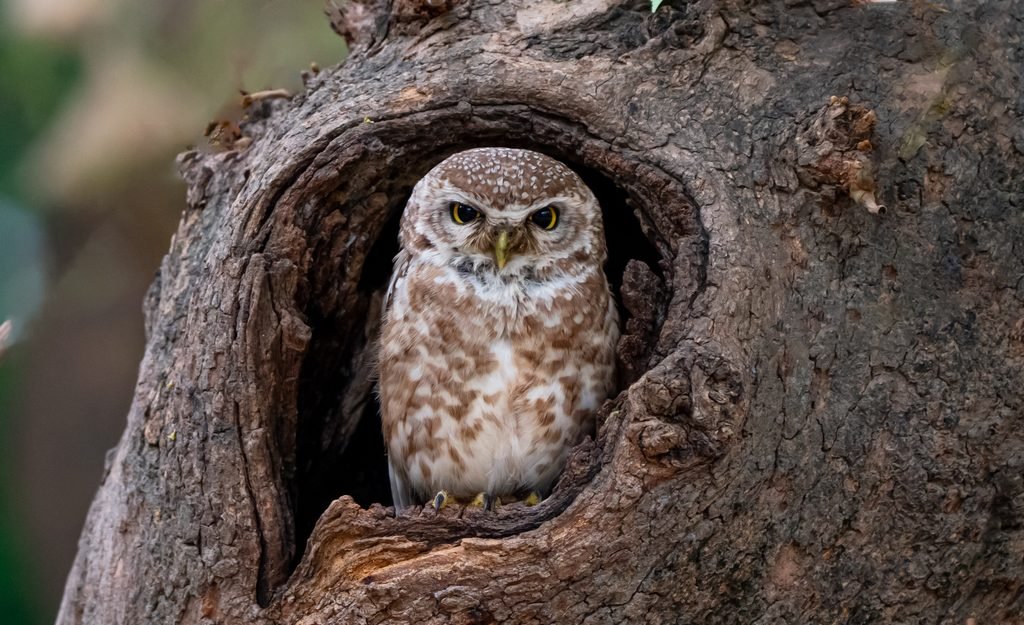






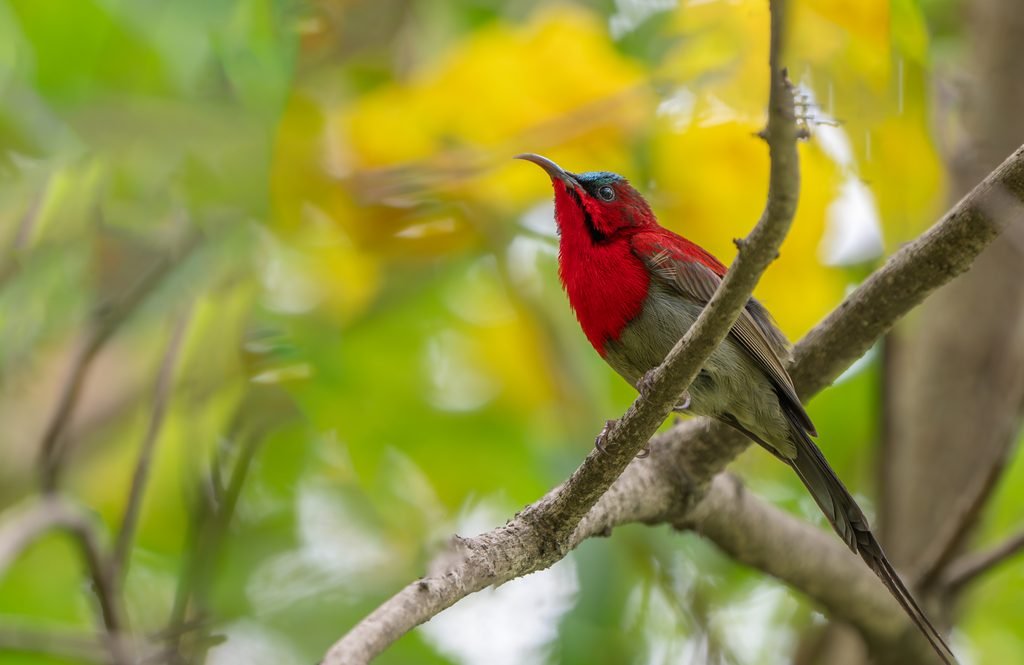
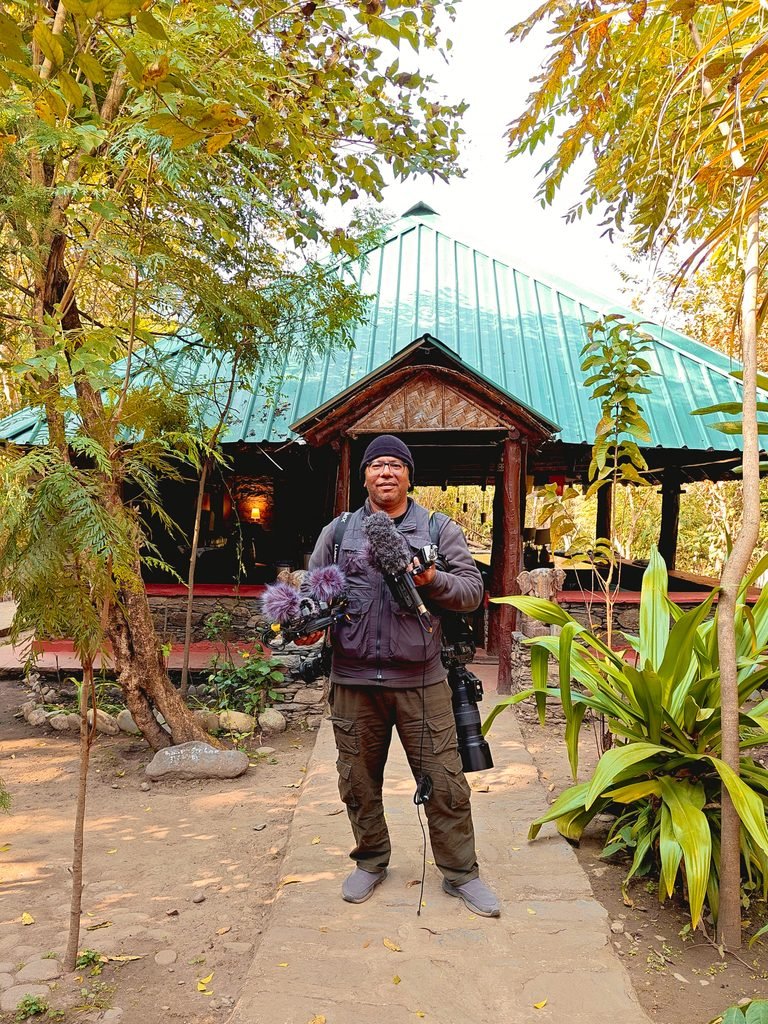
Recording the Himalayan Soundscape
A bird recording should not always be treated as an isolated sound effect. The background is part of the ecological story.
A recording might contain a Himalayan bird calling above a forest floor filled with insects, a distant stream, wind moving through oak leaves, a woodpecker working on a tree and the occasional sound of a distant village. These layers create a soundscape that can communicate habitat and ecological context.
For documentary and conservation work, it can therefore be useful to make two types of recordings:
Species recordings – focused recordings of individual birds, calls and songs.
Soundscape recordings – longer recordings documenting the entire acoustic environment.
Together, they provide a much richer picture of Himalayan biodiversity.
Technical Settings
For archival and scientific-quality recordings, uncompressed WAV is preferable to compressed formats. Current Macaulay Library guidance recommends at least 48 kHz / 24-bit, with 32-bit recording being useful when supported by the equipment.
Manual gain is also important. Levels should be set conservatively so that sudden loud calls do not clip. Monitoring through closed-back headphones allows the recordist to hear problems that may not be obvious to the naked ear.
Wind protection is essential in the mountains. Even a gentle Himalayan breeze can create severe low-frequency rumble when it reaches the microphone capsule. A proper windshield should therefore be considered part of the microphone system, not an optional accessory.
Record More Than the Bird
A scientifically useful recording should contain information about where, when and under what conditions it was made. Record the date, time, location, elevation, habitat, weather conditions and, when possible, the species and behaviour.
A short spoken announcement at the beginning or end of a recording can also be useful for field documentation.
For long-term projects, consistent metadata becomes extremely valuable. A collection of recordings made over several years can potentially reveal changes in species presence, vocal activity and the acoustic character of a habitat.
From Bird Recording to Conservation
Bird sounds can become more than beautiful recordings. They can provide ecological information.
Researchers are increasingly using acoustic monitoring and automated recording systems to survey birds and study changes in biodiversity. Automated acoustic analysis can help detect and classify bird vocalizations and make long-term monitoring more practical.
This is particularly relevant in the Himalaya, where large and difficult landscapes make conventional visual surveys challenging. Recent research on the Himalayan Monal, for example, has examined how vocal behaviour can differ between noisy and more natural habitats, demonstrating the potential of acoustic approaches for studying the effects of human disturbance.
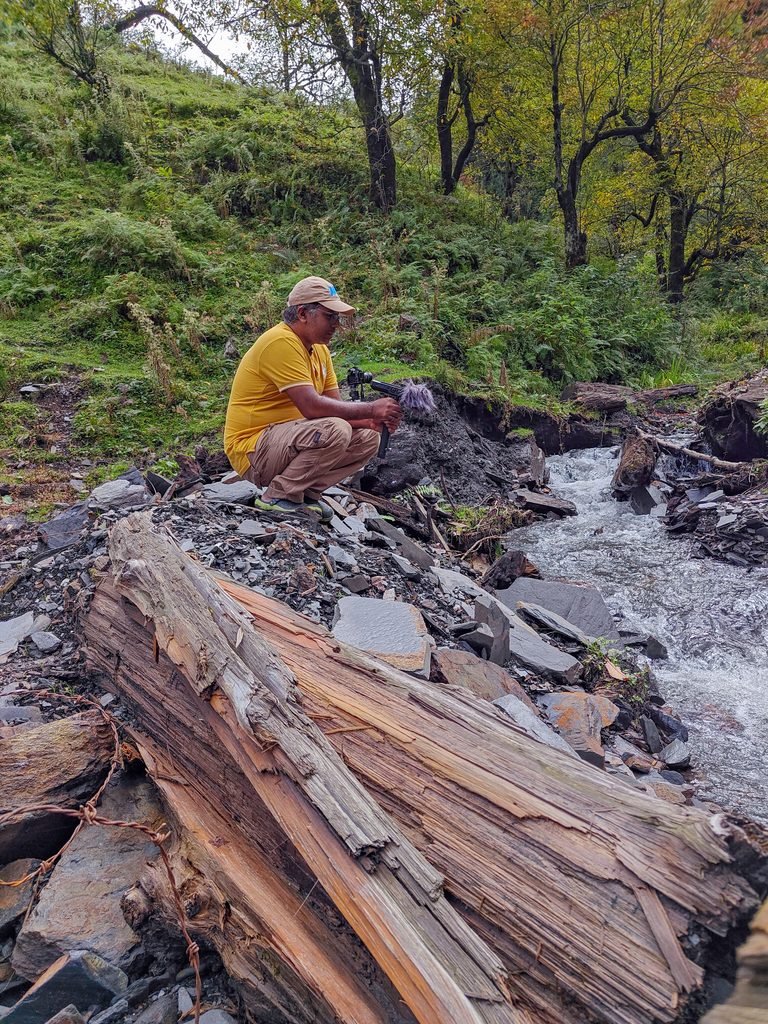
The Himalayan Listening Experience
Field recording changes the way we experience the mountains. Instead of simply looking for birds, the recordist begins to listen for them. A faint call across a valley, a bird hidden somewhere in dense rhododendron, or a distant chorus from an alpine meadow can reveal an entire ecosystem that may be invisible to the eye.
The microphone becomes an extension of the ears—and the recording becomes a permanent acoustic document of a landscape.
In the Himalaya, where forests, rivers, glaciers and wildlife are undergoing rapid environmental change, these recordings can serve another purpose: preserving the acoustic memory of the mountains.
Every recording captures a moment in time. Over years and decades, those moments can become an invaluable archive of Himalayan biodiversity and its changing soundscape.
Staff picks
-

Amphibian Sound Libraries
$0.00 -
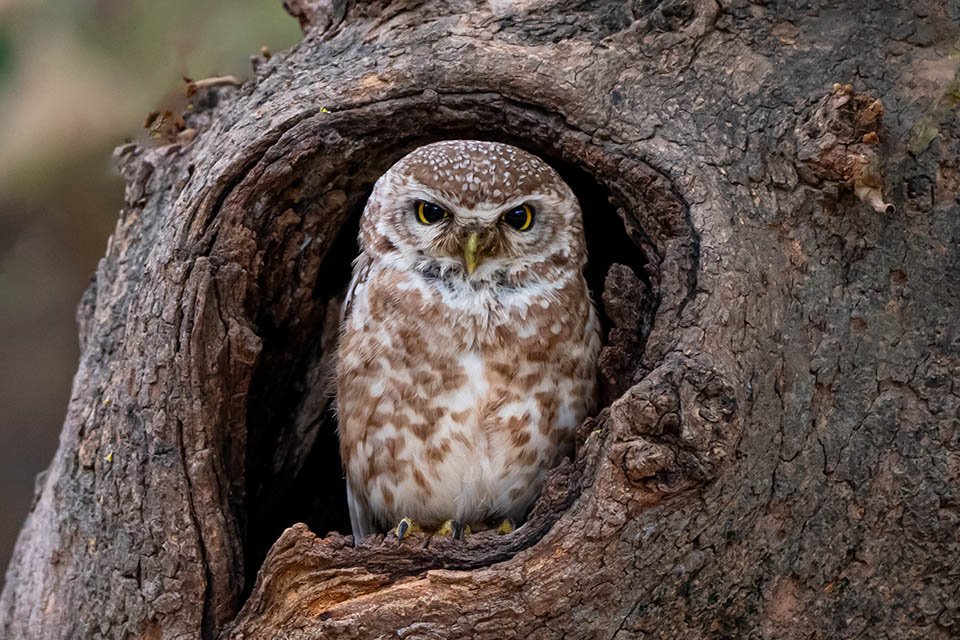
Birds Soundscapes – Indian Birds
$0.00 -
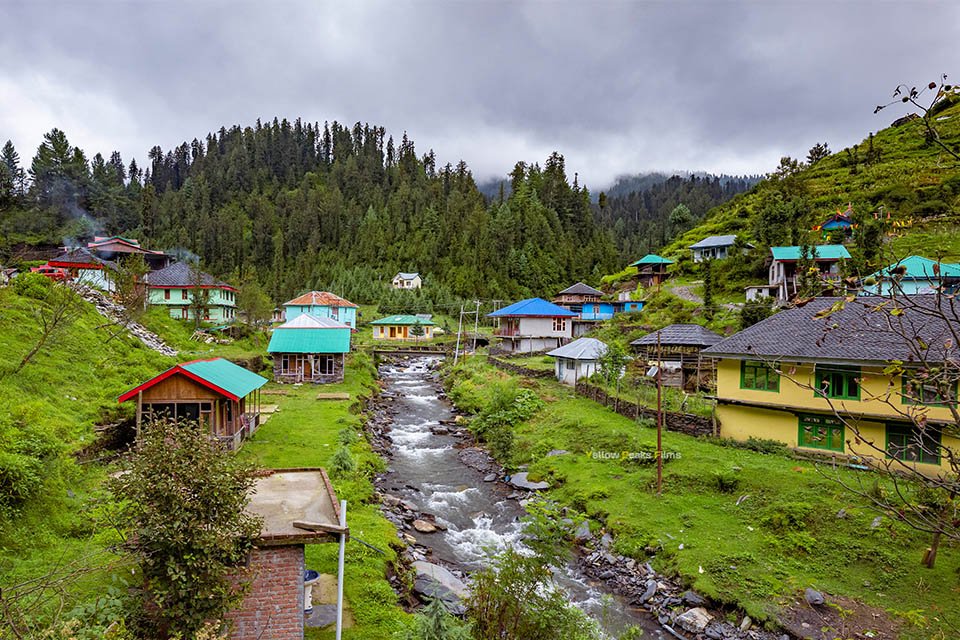
Corbett Tiger Reserve
$0.00 -

Forest night sounds
$0.00
Leave a Reply