-
End-User License Agreement (EULA)
SOUND LIBRARY LICENSE AGREEMENT Sound Library / Collection: [LIBRARY NAME]Creator / Licensor: Rajiv Kumar – Yellow Peaks FilmsLicensee / Purchaser: [CUSTOMER NAME / COMPANY]Purchase / License Date: [DATE]Order / Invoice No.: [ORDER NUMBER]License Type: [STANDARD / COMMERCIAL / EXTENDED / CUSTOM] 1. LICENSE GRANT This license grants the purchaser (“Licensee”) a non-exclusive, non-transferable license…
-
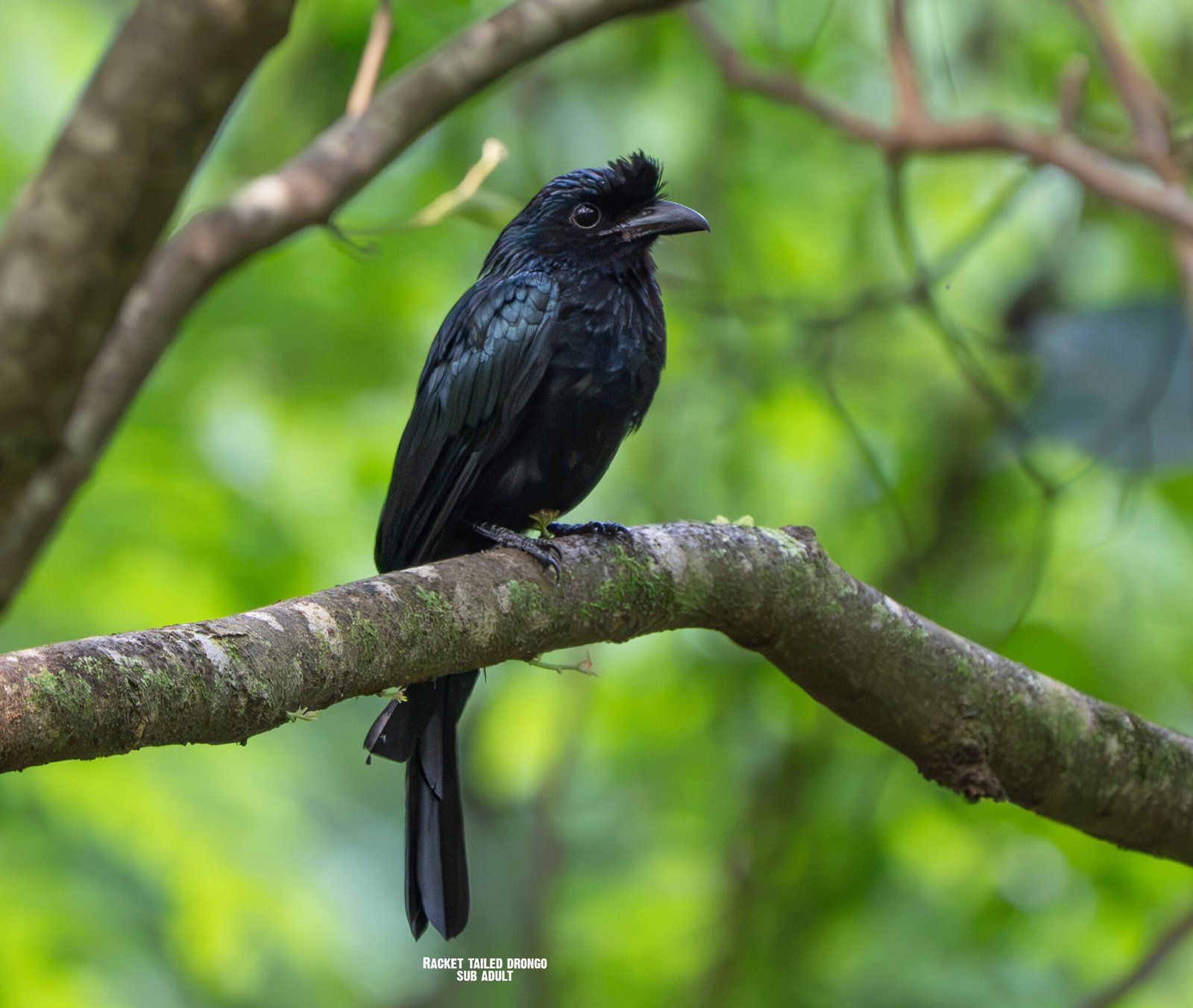
Birds of Western Ghats – India
The Western Ghats are one of India’s most important biodiversity regions, stretching along the western side of the Indian peninsula from Gujarat and Maharashtra through Goa and Karnataka to Kerala and Tamil Nadu. Their mountains, evergreen forests, shola grasslands, wetlands, plantations and river valleys support an extraordinary diversity of birdlife. Among the most distinctive…
-
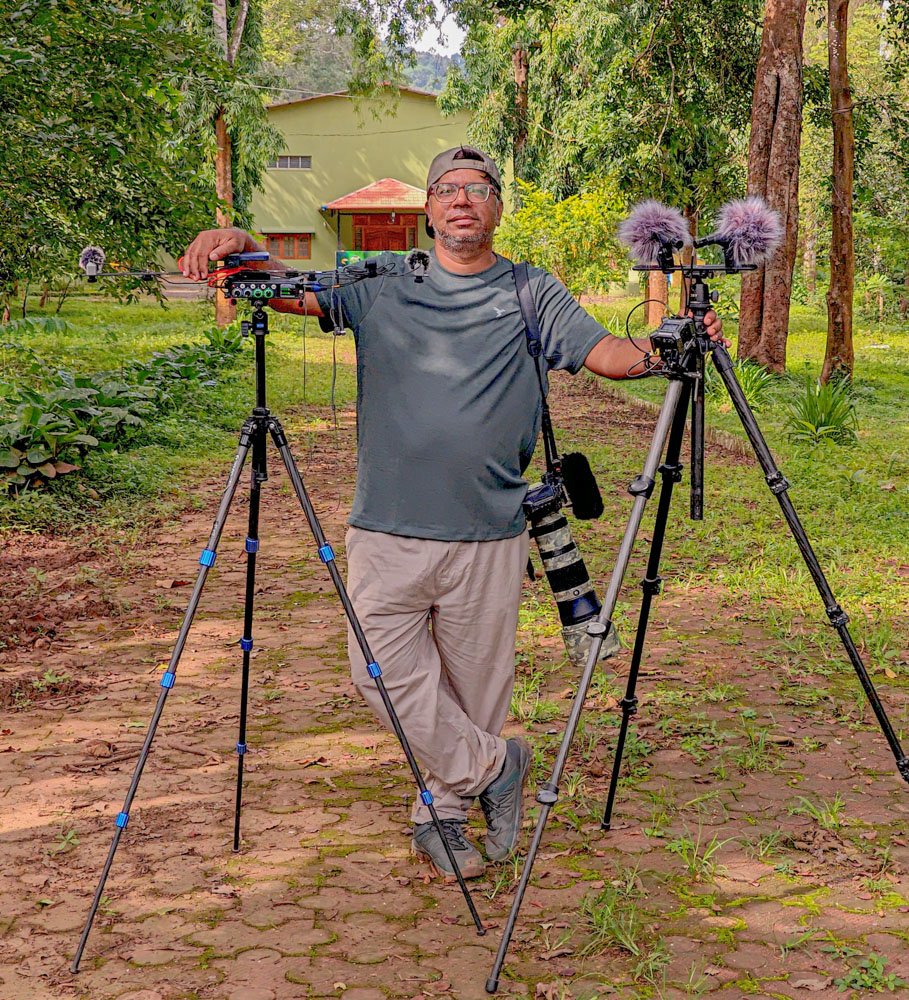
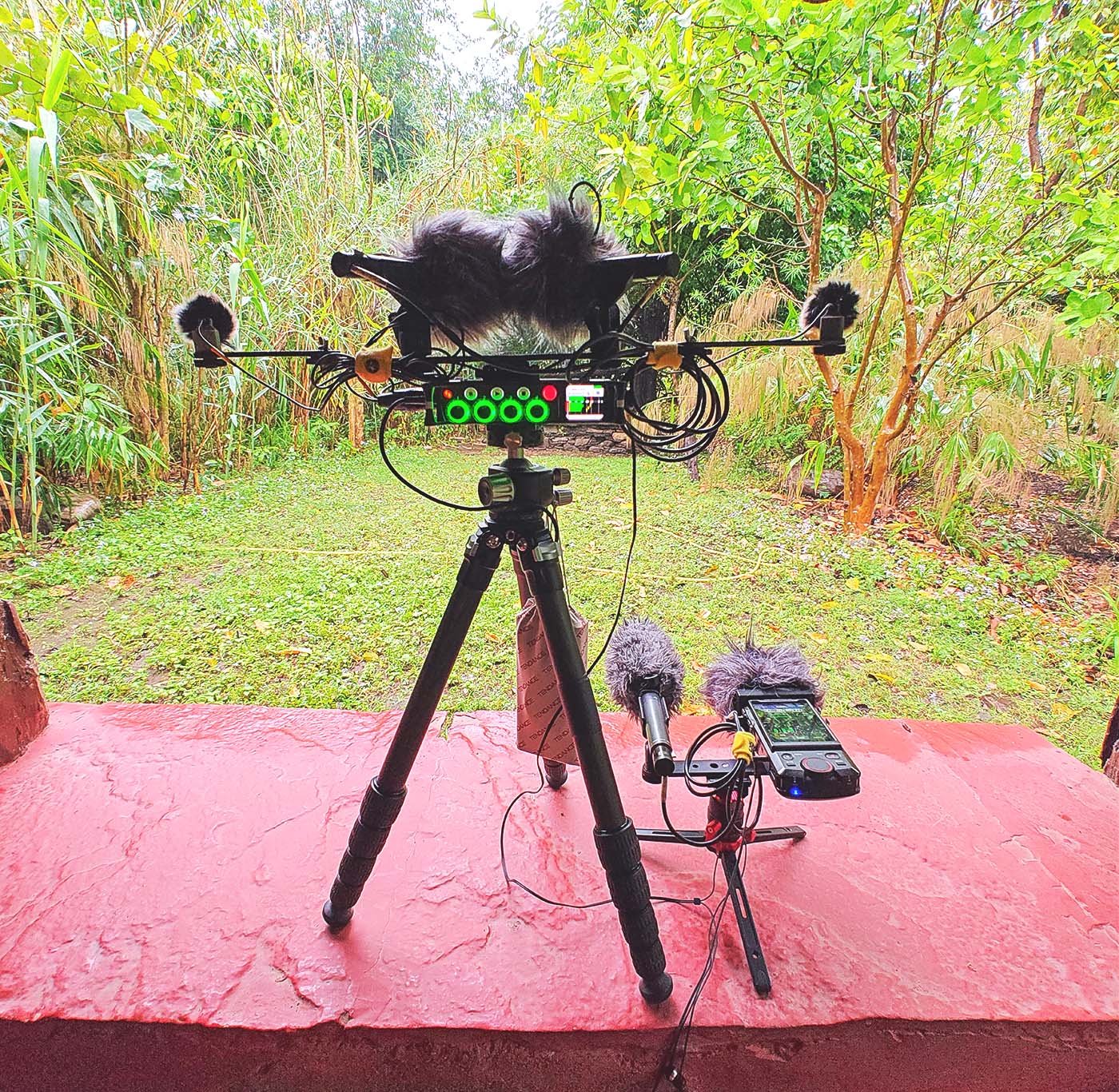
Sound Recording Challenge – High Humidity Western Ghats
The monsoon transforms the Western Ghats into one of the richest acoustic environments in India. Heavy rain, flowing streams, frogs, insects, birds, wind and dense vegetation create an extraordinary natural soundscape. For a field recordist, however, this environment is also one of the most technically demanding places to work. This was my biggest challenge…
-
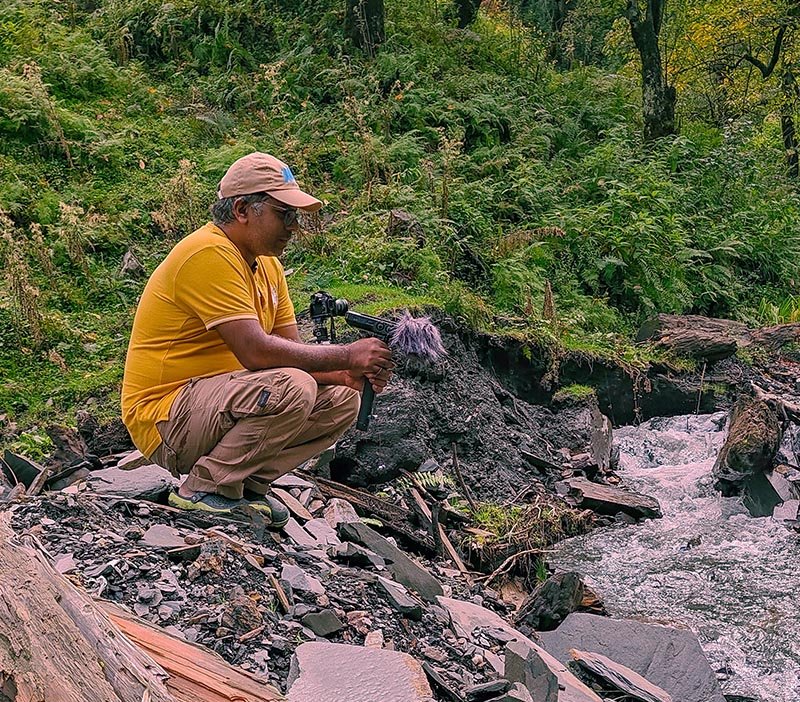
Recording the Sounds of Birds in the Himalaya
The Himalaya is not only a landscape of dramatic mountains, forests and alpine meadows—it is also an extraordinary acoustic environment. From the dawn chorus of Himalayan songbirds in temperate forests to the calls of birds echoing across deep valleys, every elevation and habitat has its own acoustic character. Recording these sounds in the field…
-
The Three Voices of a Soundscape
Every natural environment has its own acoustic identity. A forest, wetland, grassland or mountain is not only a visual landscape—it is also a living soundscape. The sounds we hear can broadly be divided into three categories: biophony, geophony and anthrophony. Biophony — The Sounds of Life Biophony refers to sounds produced by living organisms.…
-

Role of acoustics in Wildlife Conservation
Wildlife does not communicate only through what we see—it also reveals its presence through sound. From bird calls and frog choruses to the movement of mammals, insects, flowing water, wind and even the sounds of human activity, the natural environment is filled with acoustic information. Acoustics has therefore become an important tool for understanding,…
-
Polar Patterns for field recordings
When recording sounds in the field, choosing the right microphone is only half the equation. How the microphone receives sound from different directions—the polar pattern—is equally important. In a forest, wetland, mountain valley or coastal environment, sound rarely comes from one direction. Birds may call from the canopy, insects may surround the recorder, wind…